
Last updated November 25, 2026
 Whole-home duct cleaning
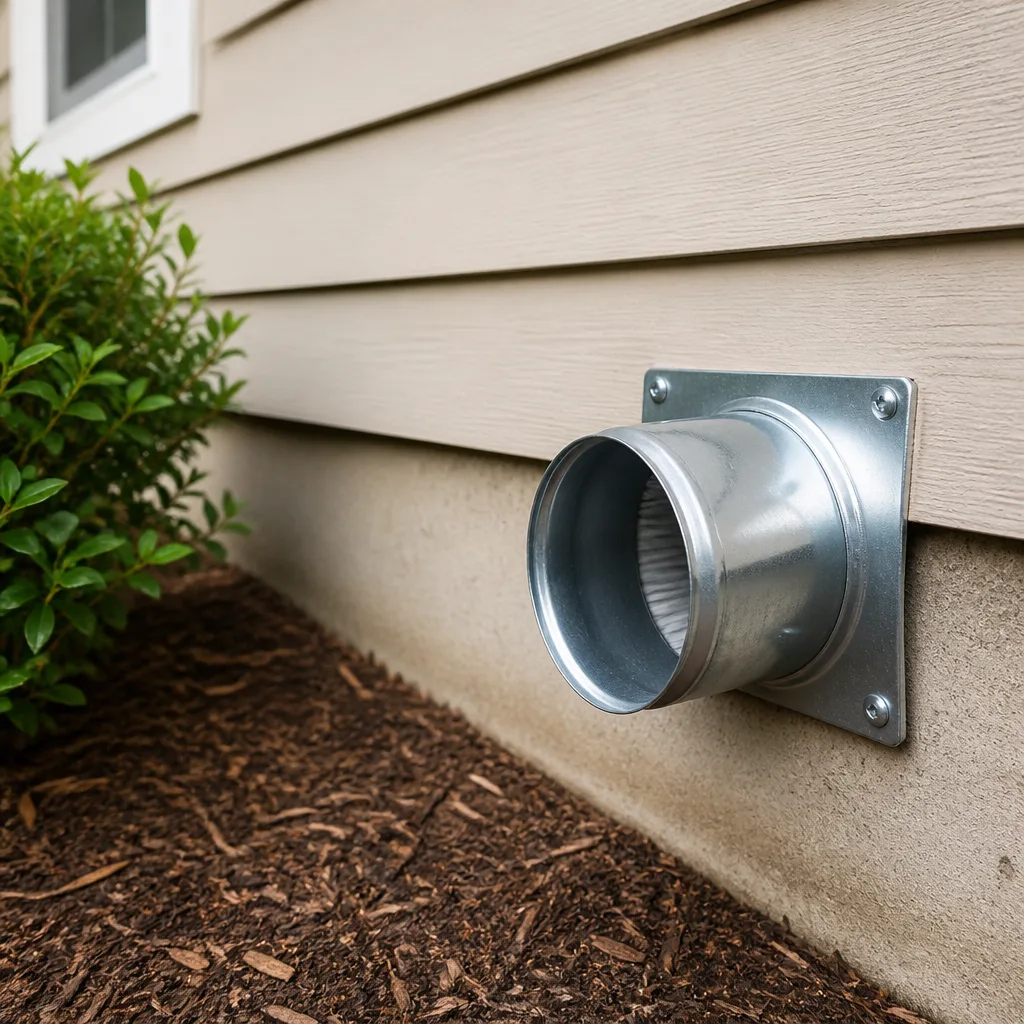 Dryer vent cleaning
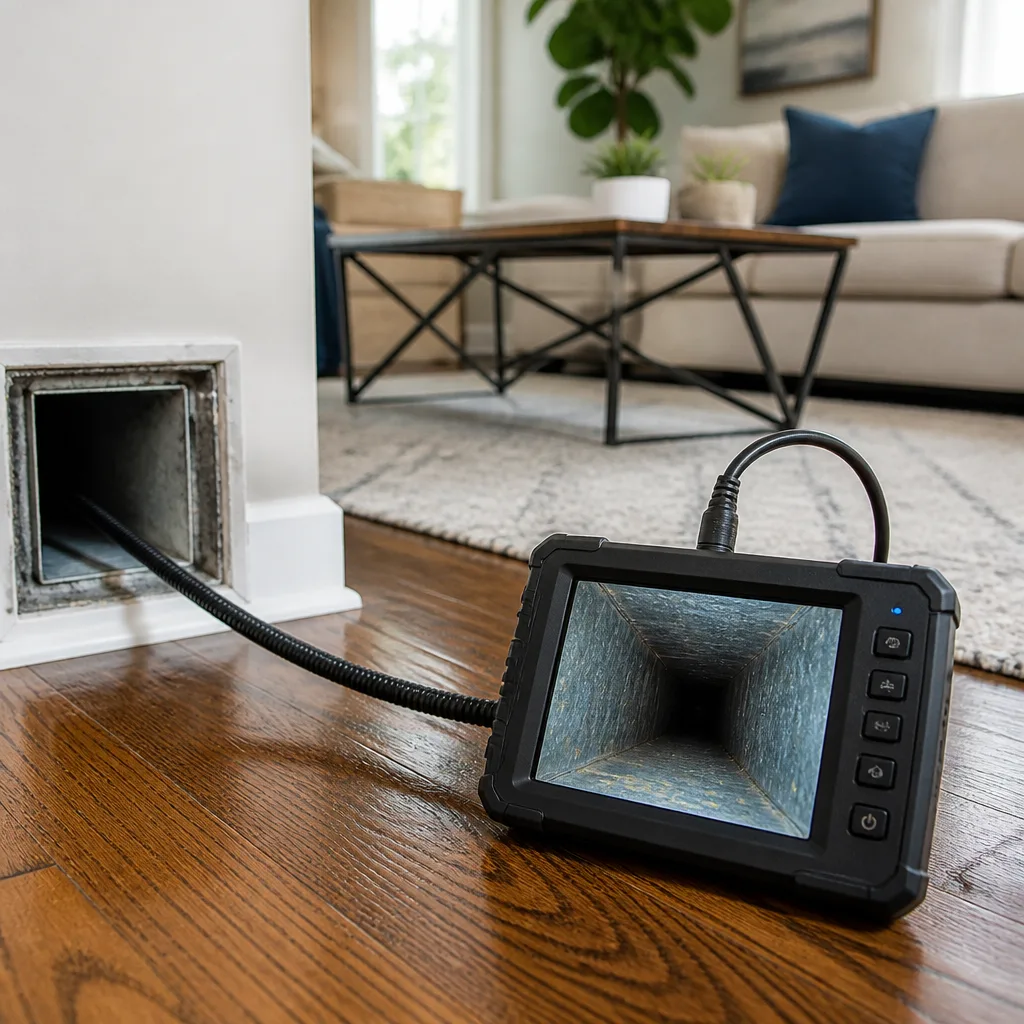 Camera inspection
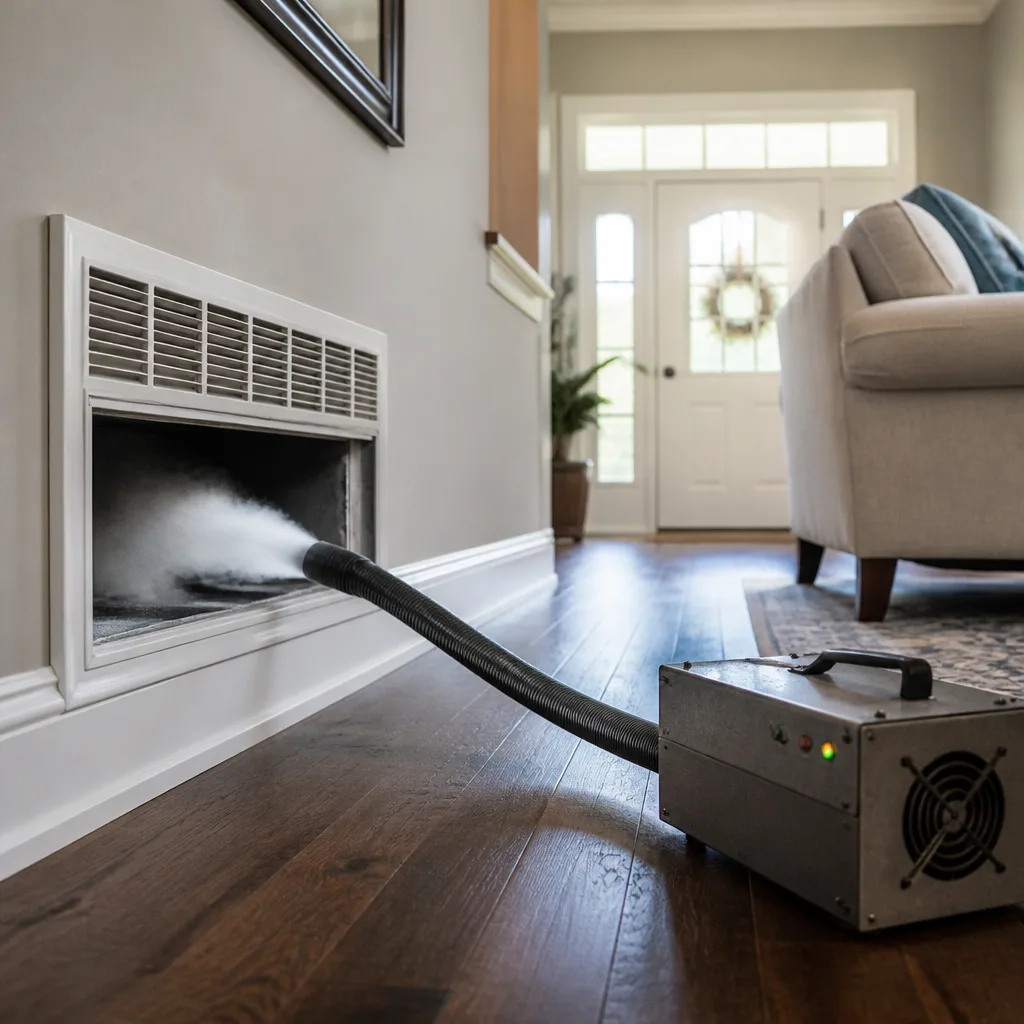 Sanitizing & deodorizing
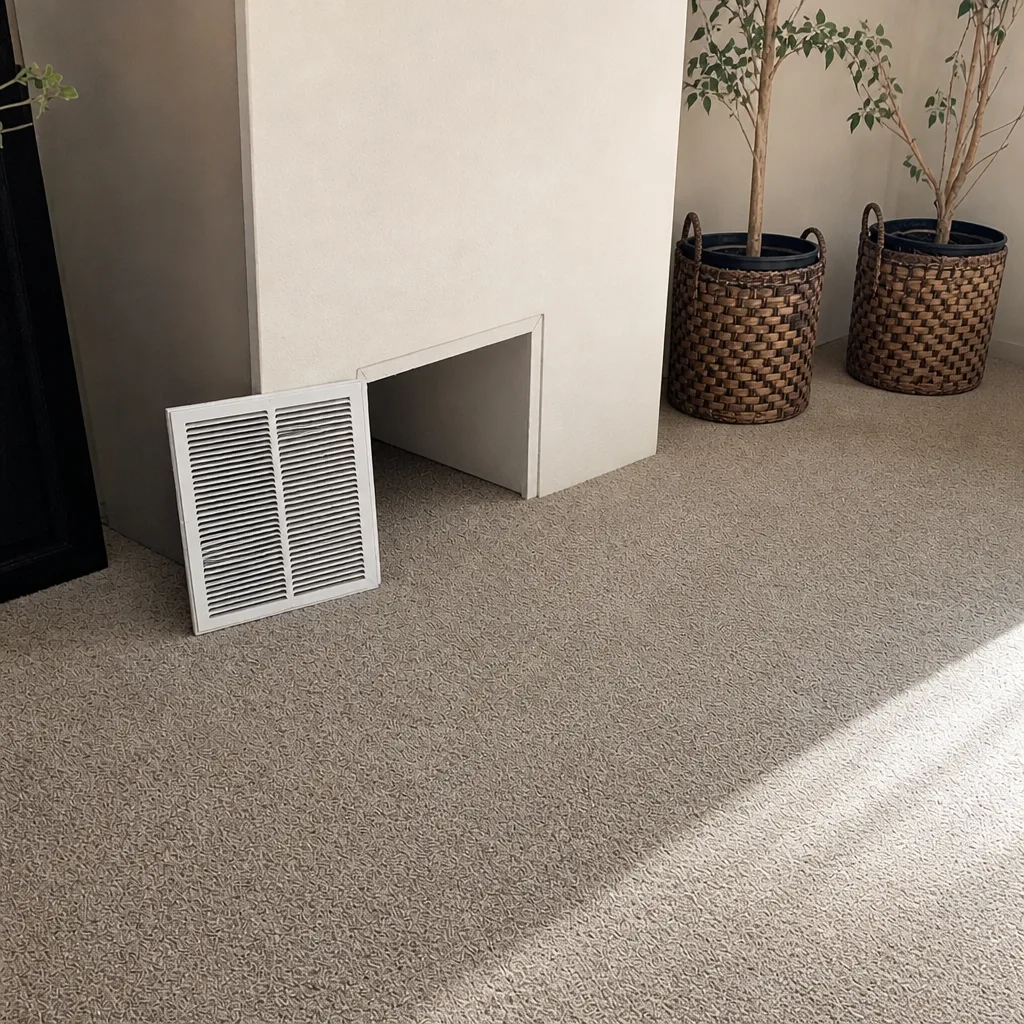
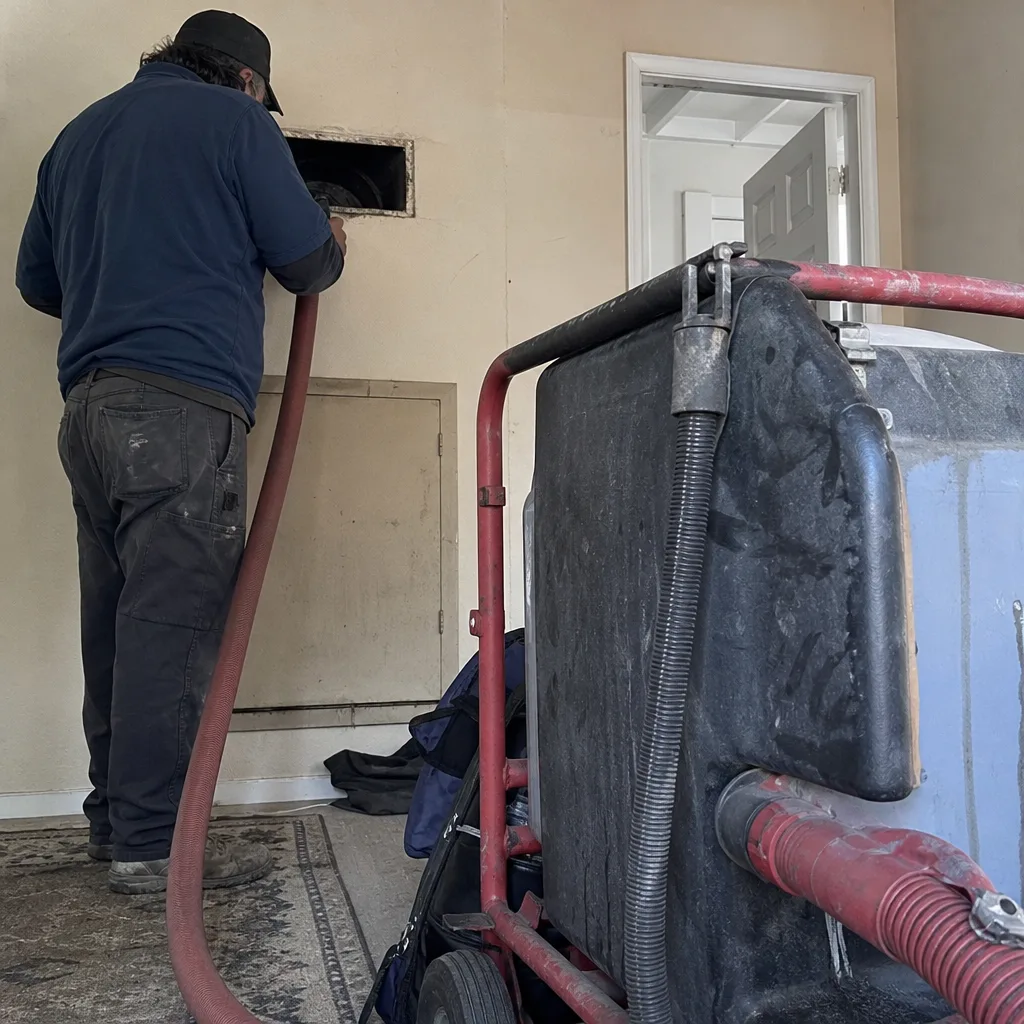
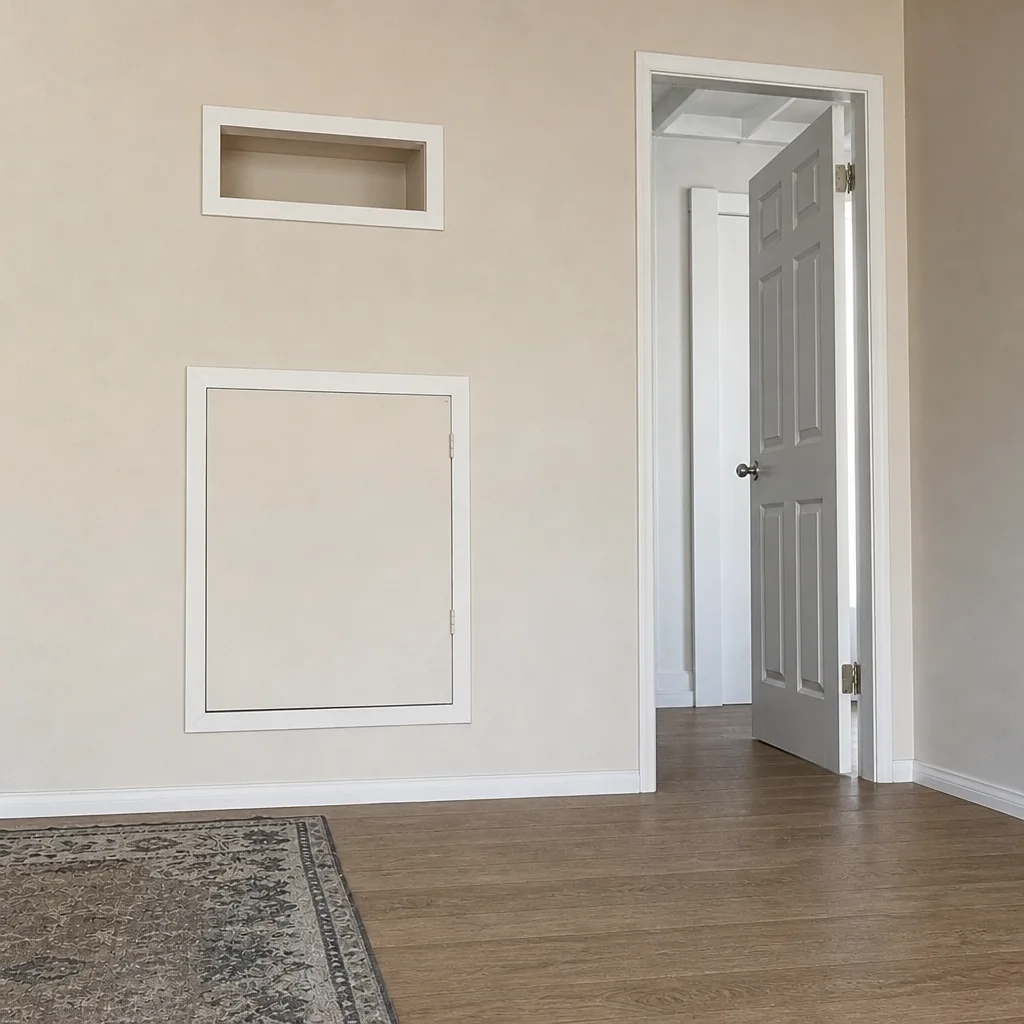
Whole-system duct and dryer vent check with before-and-after photos - you see exactly what came out of your vents
That "$99 whole-house special" is a bait ad - the real number appears once they are in your hallway, or the "clean" is a shop-vac at the register. We photograph the inside of your ducts before and after instead.
Air Duct Cleaning Troubleshooting in Buena Park: Common Problems and How to Fix Them
If you’ve had your ducts “cleaned” and the musty smell crept back within a few weeks, chances are the technician treated the vent cover and the first few feet of duct, not the duct lining itself. That distinction changes everything about the fix you actually need. Most duct problems homeowners try to solve on their own, whether that’s odors, uneven airflow, or dusty registers, are symptoms of a deeper system condition that surface cleaning doesn’t touch. In this guide, we walk through how to read those symptoms accurately, how to tell a debris problem from a leakage problem, and how to decide whether a Buena Park home needs cleaning, sealing, or an HVAC technician before anyone touches a tool. No sales pitch. Just a troubleshooting framework you can use before you spend a dollar.
Quick Answer
Most air duct problems in Buena Park fall into three categories: debris buildup inside the ducts, air leakage at joints and connections, or microbial growth in the air handler and drain pan. Cleaning fixes the first, duct repair and sealing fixes the second, and the third almost always starts at the HVAC components rather than the ducts. Diagnosing which one you have before booking service is the single biggest thing you can do to get a lasting result instead of a repeat visit.
Styles & brands we work with
- Whole-home duct cleaning
- Dryer vent cleaning
- Camera inspection
- Sanitizing & deodorizing
Table of Contents
- What Are the Most Common Duct Symptoms in Buena Park Homes?
- Dirty Ducts vs. Leaking Ducts: How to Tell the Difference
- Why Odors Come Back After Cleaning
- What Uneven Room Temperatures Actually Mean
- How to Spot a Low-Powered Cleaning Job
- The Decision Matrix: Clean, Seal, or Call an HVAC Tech First?
- Dryer Vent Problems Are a Separate Troubleshooting Track
- When to Call a Professional
What Are the Most Common Duct Symptoms in Buena Park Homes?
Air duct troubleshooting in Buena Park starts with knowing what to look for. The four symptoms that bring homeowners to our phone line most often are dust that settles quickly after cleaning, a persistent musty or dusty smell when the system runs, rooms that never quite reach the thermostat setting, and higher energy bills for the same usage. Each of these symptoms points to a different root cause, and lumping them together is the most common reason people end up paying for the wrong service.
Here’s the framework we use when we walk a Buena Park home through a diagnosis:
- Dust settling within a day or two of cleaning: usually debris inside the return ducts or an oversized gap somewhere in the system pulling in unfiltered air.
- Musty or dusty smell at startup: often microbial growth on the evaporator coil, drain pan, or interior duct lining.
- One room noticeably warmer or cooler than the rest: could be debris blocking a branch run, a disconnected duct in the attic, or a design issue with the duct layout itself.
- Higher bills with the same usage: almost always a sign of air loss somewhere in the system, not a cleanliness problem.
Buena Park’s climate plays a role here. Warm, dry summers mean the AC runs hard for months, and a system working that continuously moves a lot of air. Dust and settled debris accumulate faster in high-runtime systems than in mild climates where the unit cycles less. That’s why a Buena Park duct system can look dirty within a year or two of a prior cleaning if the job wasn’t thorough.
The single most useful thing you can do is document what you see. Write down which registers are dusty, which rooms are uneven, and when the smell shows up. That record becomes the map for whoever you hire. When you’re ready to move from diagnosis to service, professional air duct cleaning is the right first stop for the debris-driven symptoms.
Dirty Ducts vs. Leaking Ducts: How to Tell the Difference
Dirty ducts and leaking ducts look almost identical from inside the house, but they need completely different fixes. Cleaning fixes a dirty system. Sealing fixes a leaky one. If you buy cleaning for a leak, the dust comes back in a matter of weeks because you never closed the hole that’s letting it in.
Here’s a simple airflow check you can do in about ten minutes using nothing but a tissue and a flashlight. It won’t diagnose every case, but it will sort the two categories apart in most homes:
- Check airflow at each register. Hold a single-ply tissue against the grille of each supply register with the system running. If a register can’t hold the tissue against the grille, airflow is weak. If it pulls the tissue hard, airflow is strong.
- Compare one room to another. A weak register in one room next to strong registers elsewhere points to a branch problem (a partial blockage or a disconnected run). Weak registers everywhere point to a whole-system issue.
- Look for streaks or rings around the register. Dark smudges around the edge of a supply or return grille often mean air is escaping past the grille instead of going through the duct. That’s a leakage sign, not a dirt sign.
- Check for a dust plume at startup. A puff of dust when the system kicks on means dust is sitting in the return line and getting blown back into the house.
- Sniff near the air handler. A smell strongest near the indoor unit rather than at the registers points at the air handler, not the ducts.
If you find weak airflow throughout plus visible dust, you likely have both problems. In our experience, this is the most common combination we see in Buena Park homes that have never had a full-system inspection. If the tissue test points to a leak, ask any company you call whether they offer HVAC cleaning and duct repair and sealing as part of the same visit. A cleaner who only cleans will leave the leak in place.
Why Odors Come Back After Cleaning
Persistent odors after a duct cleaning usually point to microbial growth in the air handler or the drain pan, not the ducts themselves. The ducts carry the smell into the room, but they’re not the source. Cleaning the ducts a second time won’t fix it. The source has to be treated, dried, and either sanitized or repaired.
That’s why so many “smell” complaints in Buena Park turn out to be air-handler problems once somebody actually opens the unit and looks:
- The drain pan holds standing water. Condensation collects, sits, and becomes a breeding ground. A dry pan is normal. A pan with a layer of slime or standing water is a microbial issue.
- The evaporator coil is dirty or biological. A coil with visible growth on the fins will reintroduce odor every time air passes over it.
- The interior duct lining has absorbed moisture. If the ducts have seen long-term high humidity or a past water event, the lining itself becomes the source. Cleaning knocks the growth down but doesn’t necessarily kill the colonization.
- The return plenum has a dead rodent or debris. Less common, but something a full-system inspection will catch.
This is where sanitizing and a full air-quality scope separate a real service from a surface job. A cleaning-only company cleans the ducts and leaves the air handler untouched. Our approach uses equipment like the Rotobrush and Nikro systems to clean the duct interiors, and then we carry products like Guardsman and Aprilaire to handle surface treatment and filtration upgrades that address the source. When the ducts are clean and the air handler is clean and the coil is clean, the smell typically stops coming back. Skipping any one of those steps leaves a path for it to return.
If you’ve had ducts cleaned before and the smell came back, we’d encourage you to ask the next company specifically what they’ll clean inside the air handler. If the answer is “we don’t touch the air handler,” you’ve found your gap.
What Uneven Room Temperatures Actually Mean
Uneven room temperatures point at one of three things: debris blocking a branch of the duct (fixable by cleaning), a disconnected or crushed duct run (fixable by repair and sealing), or a design issue in the original ductwork (not fixable by cleaning or sealing). Knowing which one you have prevents paying for a cleaning that won’t move the temperature one degree.
Buena Park has a housing mix that pushes the design issue more than people realize. Older homes in the 90620 ZIP and around the Buena Park Downtown area often have duct layouts designed for a smaller system than the one that’s running today, and the branch runs to back bedrooms are the usual gap. If a back room never gets cool even when the system runs all afternoon, cleaning is worth trying first, but if the room’s register is blowing weak air even right after a full cleaning, the branch itself is undersized or leaking into the attic.
Here’s how to break the diagnosis down:
- Run the system on fan-only for 15 minutes. This circulates air without the compressor. If the room is just as uneven in fan-only as it is in cooling mode, the problem is airflow, not the cooling capacity.
- Note the difference between the warmest and coolest room. Small spreads (2-4 degrees) are normal. A room 8-10 degrees warmer than the rest means a genuine airflow problem.
- Check the attic or crawl path near the back room. If you can see a duct run that looks crushed, kinked, or disconnected, that’s a repair job, not a cleaning job.
- Ask for a duct leakage test when you book service. A proper inspection can find whether the branch is losing air to the attic before paying for a cleaning that won’t help.
If the diagnosis comes back as a design problem, cleaning and sealing both help marginally but the biggest gains come from a duct layout adjustment. That’s an HVAC-engineering call, not a duct-cleaning call. We’ll tell you that on the estimate when we see it.
How to Spot a Low-Powered Cleaning Job
A low-powered cleaning job is easy to spot if you know where to look: leftover debris at the return and the register boots. That’s the pattern we see most often in homes where a prior “cleaning” was done on the cheap. A truck-mounted or commercial Rotobrush/Nikro system creates enough negative pressure to pull the debris out of the system and into a HEPA containment unit. A portable shop-vac style unit doesn’t have the pulling power, so the agitation loosens dust but the extraction doesn’t carry it all the way out.
Here’s what to check after any cleaning (or a few weeks after, when dust has had time to settle):
- The return grille and the plenum behind it. If there’s a visible film of dust right after a cleaning, the extraction didn’t reach it.
- The corner of the register boot. Debris accumulates in the corners of supply boots. A thorough cleaning leaves them clean.
- The first few feet inside a supply duct. A flashlight aimed down the duct should show a clean, dry, consistent surface with no loose debris.
- The filter slot and the air handler exterior. A proper job leaves those areas wiped down.
- The overall “settling” rate. If you’re dusting a room a day for a week after cleaning, the job didn’t remove enough.
The other tell is containment. A real professional operation deploys negative-pressure containment to prevent the dust being knocked loose from drifting into the rooms. Companies running portable equipment without proper containment can actually spread fine debris into the living space during the job, which is the opposite of what you intended. When you look for a Buena Park duct cleaning quote, ask specifically what equipment will be brought and whether containment will be set up. If the answer is vague, that’s the answer.
At our shop, the Rotobrush system is the actual tool used on residential jobs, not a name we list on a website. The same equipment is specified in commercial and restoration work, and it’s why we can pull debris out of long, awkward duct runs that a portable unit can’t reach. If a company’s quote doesn’t name its equipment, you’ll want to ask.
The Decision Matrix: Clean, Seal, or Call an HVAC Tech First?
Most homeowners have a gut feeling about what service they need but hesitate because calling for a cleaning when the real problem is a leak feels like a waste. The matrix below is a simple way to match the symptom you’re seeing to the service most likely to fix it. It’s a starting point, not a diagnosis, but it saves you from paying for the wrong fix.
- Visible dust at registers, dusty smell at startup, no airflow complaints: cleaning is the right first call.
- Dust returns within weeks of a prior cleaning: sealing is likely needed, potentially combined with cleaning if the initial job was incomplete.
- One room persistently uneven while others are fine: duct repair and sealing first, cleaning second.
- Whole house uneven, weak airflow everywhere: call an HVAC technician first to check the blower and system capacity before spending on duct work.
- Musty smell that returns after cleaning: cleaning plus air handler treatment, not duct cleaning alone.
- Higher bills with same usage, no dust visible: HVAC tech first for a leak and pressure evaluation, then sealing.
- Odor near the air handler, cool air still strong: air quality and sanitizing scope including the coil, drain pan, and duct lining.
- Dryer taking longer than it used to, or a smell in the laundry room: dryer vent cleaning is the right call, not duct cleaning.
There’s one more category worth naming: two or more of these symptoms together. When a Buena Park home shows weak airflow plus visible dust plus a musty smell, that’s a full-system problem, and it’s where a company that can clean, repair, seal, and sanitize in a single visit earns its keep. Piecemeal service usually means multiple appointments, multiple companies, and a gap in between where nobody addressed the transition point.
If you recognize your situation in the matrix, our team at Buena Park Air Duct Cleaning Pros can walk through it on the phone before you book anything. We’d rather diagnose your symptom correctly and tell you the fix that isn’t ours than sell a cleaning that won’t work.
Dryer Vent Problems Are a Separate Troubleshooting Track
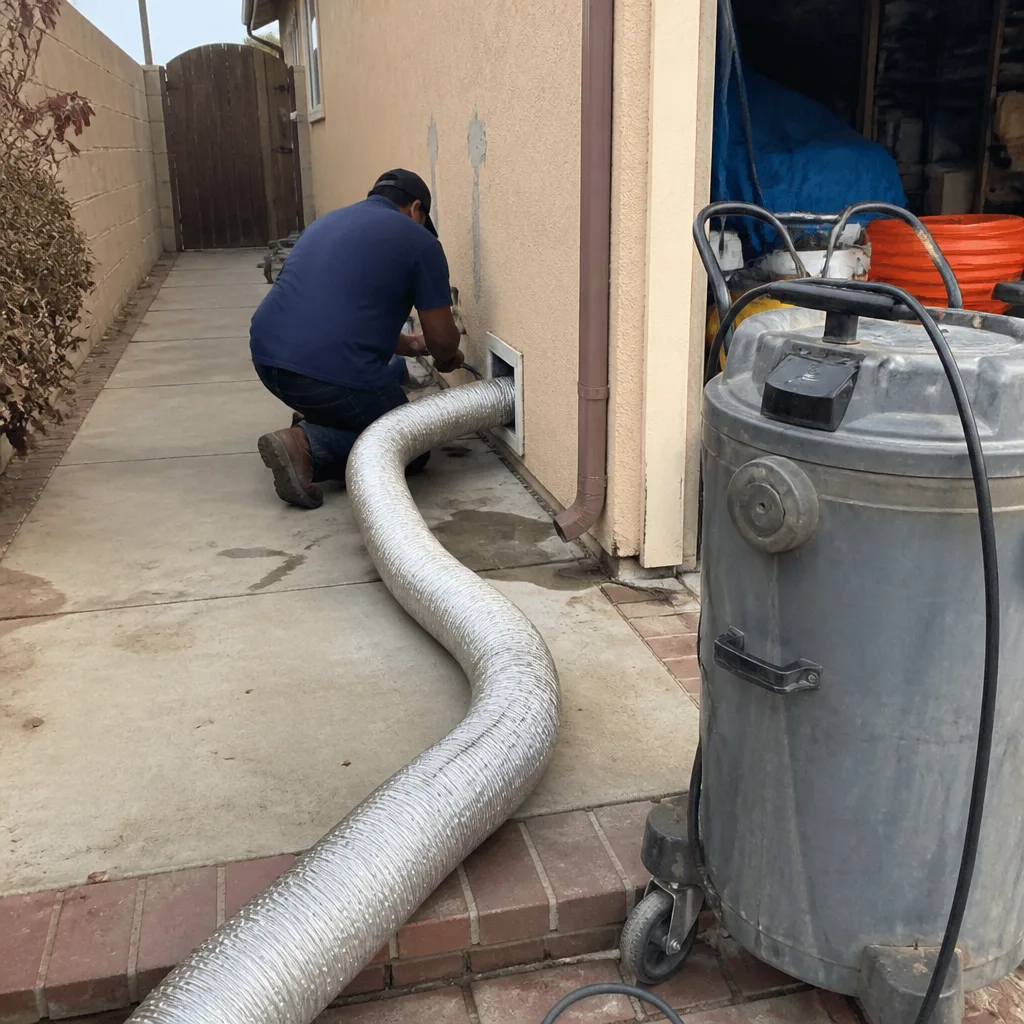
Dryer vent clogging is a common duct problem, but it needs to be treated as its own category. Dryer vents don’t share a duct system with your HVAC, they don’t get cleaned by standard air duct equipment, and a clogged dryer vent is a leading cause of residential fires. If you have lint accumulating around the dryer, clothes taking longer to dry, or the outside vent flap not opening fully, that’s a dryer-vent issue and it needs its own visit.
Here’s the troubleshooting checklist we use for dryer vents:
- Check the outside vent flap. With the dryer running, go outside and confirm the vent flap is opening and closing freely. A flap that barely moves, stays shut, or blows very weak air is a sign of blockage.
- Note drying time changes. A batch that took 40 minutes and now takes 60 is a signal. A batch that takes two cycles to dry is a strong signal.
- Look behind the dryer. Lint on the floor or wall behind the dryer means the vent connection is loose or the duct is leaking.
- Check the vent hood for lint buildup. A visible layer of lint on the screen or the flap is a sign of a partial clog.
- Note any heat or burning smell near the dryer. That’s a stop-using-it signal, not a wait-and-see signal.
Dryer vents in Buena Park homes often run through tight attic or wall cavities where lint builds up before it reaches the exterior flap. A blocked dryer vent is worth treating seriously, and dryer vent cleaning is a service most air-duct-only companies don’t offer. We include it in our scope because ignoring it is a real safety issue, not an upsell.
Common Mistakes to Avoid
- Booking cleaning when the symptom is a leak. If the tissue test at the registers shows weak airflow everywhere, cleaning won’t fix it. Ask for an inspection that includes sealing before you book.
- Cleaning ducts and skipping the air handler. The ducts are the airway, but the smell and growth often live inside the air handler. A cleaning that stops at the ducts leaves the problem in place.
- Trusting a quote that doesn’t name its equipment. Ask whether Rotobrush, Nikro, or a comparable truck-mounted or commercial unit will be used. Portable shop-vac units are a different category of service.
- Assuming a musty smell is “just what an older system does.” Older duct systems in Buena Park can be clean and odor-free with proper sanitizing and a coil treatment. The smell is a symptom, not a fact of life.
- Ignoring the dryer vent because it “still works.” A clogged dryer vent can still dry clothes slowly while remaining a fire risk. The slower drying time is the warning, not the safe state.
- Skipping sealing because the cleaning was “cheaper.” Cleaning plus sealing is the combination that keeps dust from returning. Skipping the seal and re-cleaning in six months costs more than doing it once.
- Assuming one visit from a general handyman is enough. Duct work requires duct-specific equipment and containment. A general handyman is usually not the right call for anything beyond basic register cleaning.
See the difference
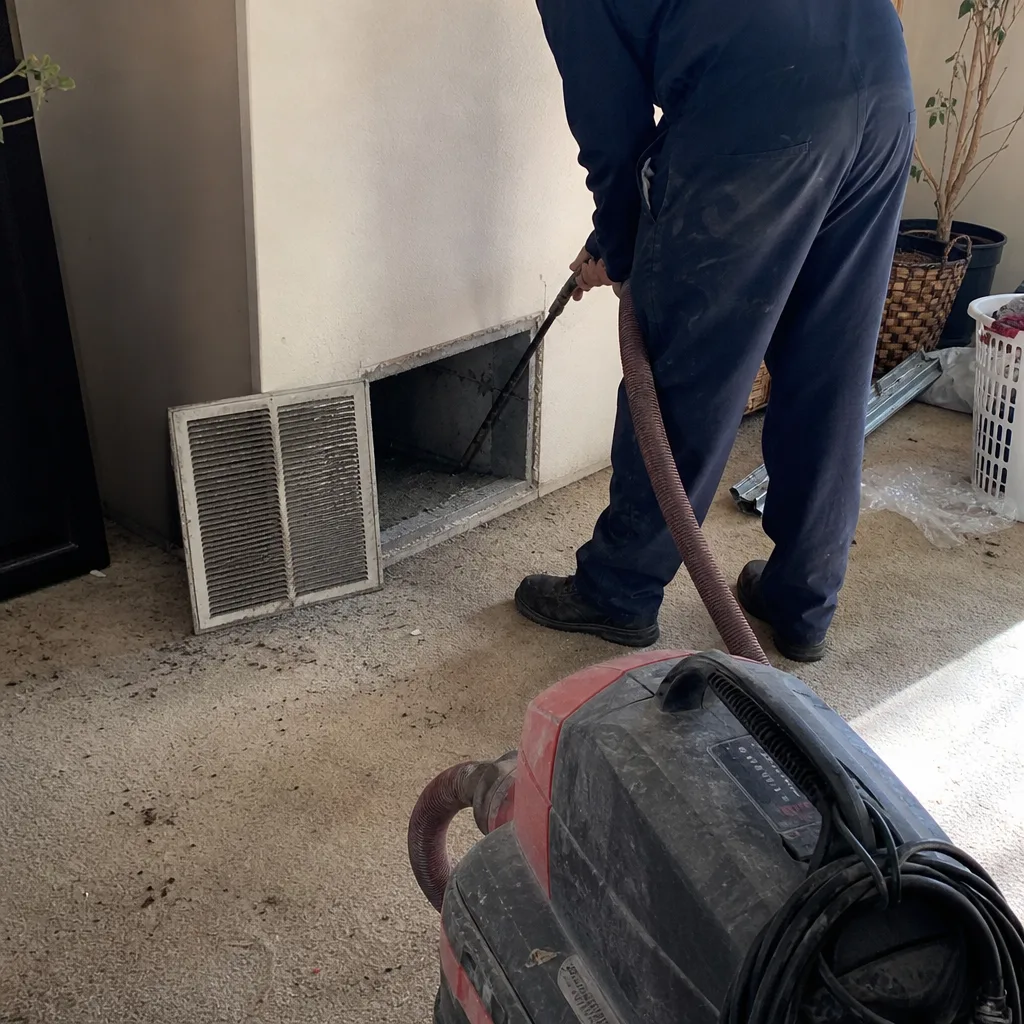 Before
 After
 Before
 After
 Before
 After
When to Call a Professional
Some duct problems are clear DIY territory: changing the return filter, wiping a dusty grille, checking a dryer vent flap. Others aren’t. Call a professional if you’ve had a duct cleaning in the last two years and dust is back; if a musty smell returns after cleaning; if any room is more than 6 or 8 degrees off the rest of the house; if you’ve never had the air handler inspected; if you’re a renter or property manager with a tenant complaint; or if you have a dryer vent that’s taking visibly longer to dry clothes.
Buena Park Air Duct Cleaning Pros offers free estimates in Buena Park. Call (855) 658-5164. We answer 24/7. Fast dispatch from 7am to 7pm, Sunday through Friday. A technician who’s actually looked at the system can tell you which of the three fixes (cleaning, sealing, or an HVAC tech) your symptom points to. That ten-minute call is worth more than a coupon.
Frequently Asked Questions
Typical air duct cleaning in Buena Park runs on a whole-system basis, not a per-vent price, and the written estimate sets the final number before work starts. We don’t publish teaser per-vent pricing because it doesn’t match the actual job. Call (855) 658-5164 for an exact quote. Estimates are free.
Cheaper quotes usually mean portable equipment without containment, no air handler scope, and no sealing. A cheap clean that leaves dust in the system or misses the source of a smell costs more in the long run. Ask any company what equipment they’ll use and whether containment is set up. Call (855) 658-5164 for a straight answer on what’s included.
Ask for before-and-after photos of your own system, including the return plenum and the register boots. A proper job also leaves a visible record of containment and the interior duct surfaces right after cleaning. If the company can’t produce those photos, the work wasn’t documented. Call (855) 658-5164 to book a job with inspection photos included.
Most homes with good filters and no pets or recent remodeling go several years between cleanings. High-runtime systems in warm climates, homes with pets, and homes near construction or dust-heavy remodels usually benefit from more frequent attention. The right interval depends on your air handler condition, not a calendar. Call (855) 658-5164 to talk through your situation.
Not by itself in most cases. Musty smells that return after cleaning usually trace to the air handler, drain pan, or interior duct lining, not the ducts. The smell fix requires an air handler scope plus sanitizing. Call (855) 658-5164 and we’ll walk through where the smell originates before booking a cleaning.
Yes. Cleaning, duct repair and sealing, and air quality upgrades can be handled on the same visit when the diagnosis calls for it. That’s the point of running one company across all five service categories. Call (855) 658-5164 and we’ll scope the whole visit over the phone.
The Bottom Line
Duct troubleshooting in Buena Park comes down to reading three signals correctly: dust at the registers (often a cleaning problem), weak airflow or uneven temperatures (often a sealing or repair problem), and persistent odors (usually an air handler problem). Matching the symptom to the fix is what saves you from a repeat cleaning or a coupon that doesn’t solve anything. Proper equipment, containment, and air handler scope are the three things to ask about when you call any company. If a quote doesn’t answer those three clearly, it’s not the quote for you. With that in mind, one well-diagnosed visit beats three cheap ones.
Written by the team at Buena Park Air Duct Cleaning Pros.