
Last updated November 25, 2026
 Whole-home duct cleaning
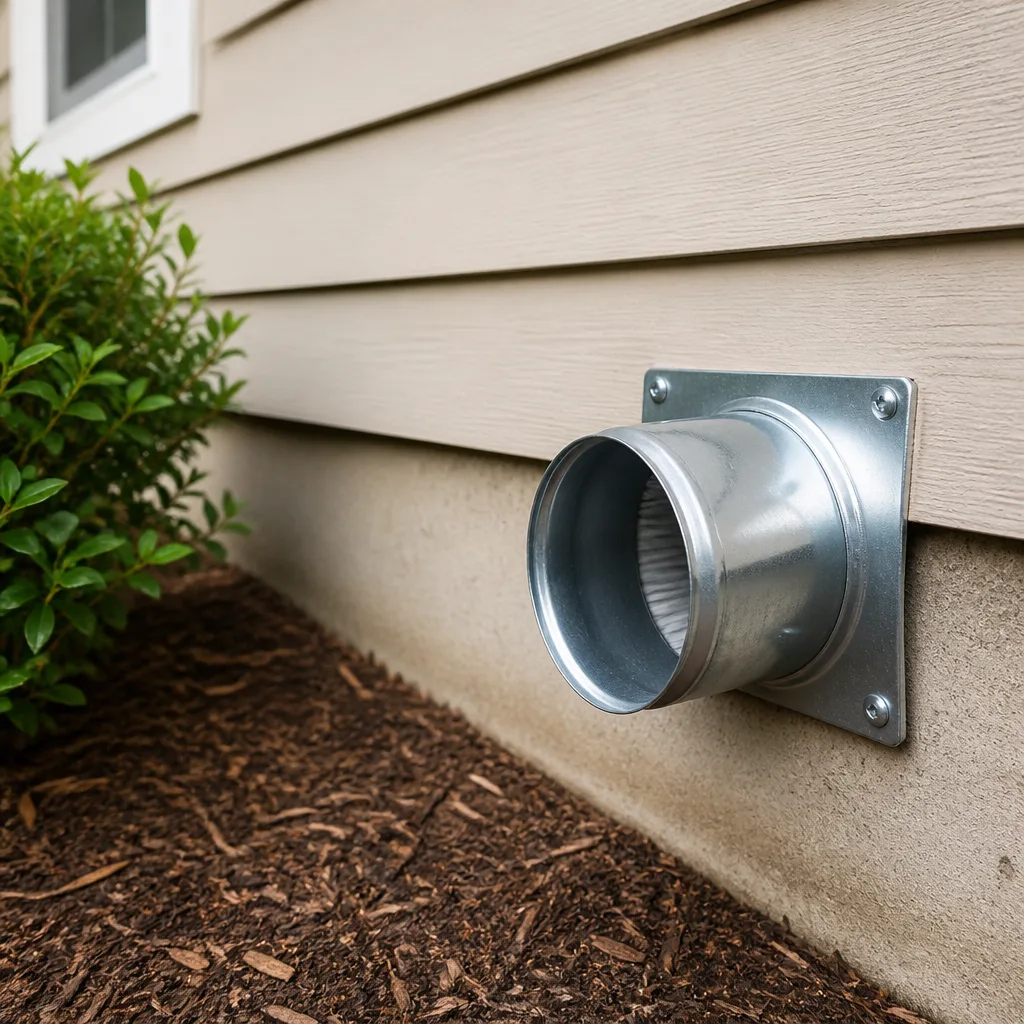 Dryer vent cleaning
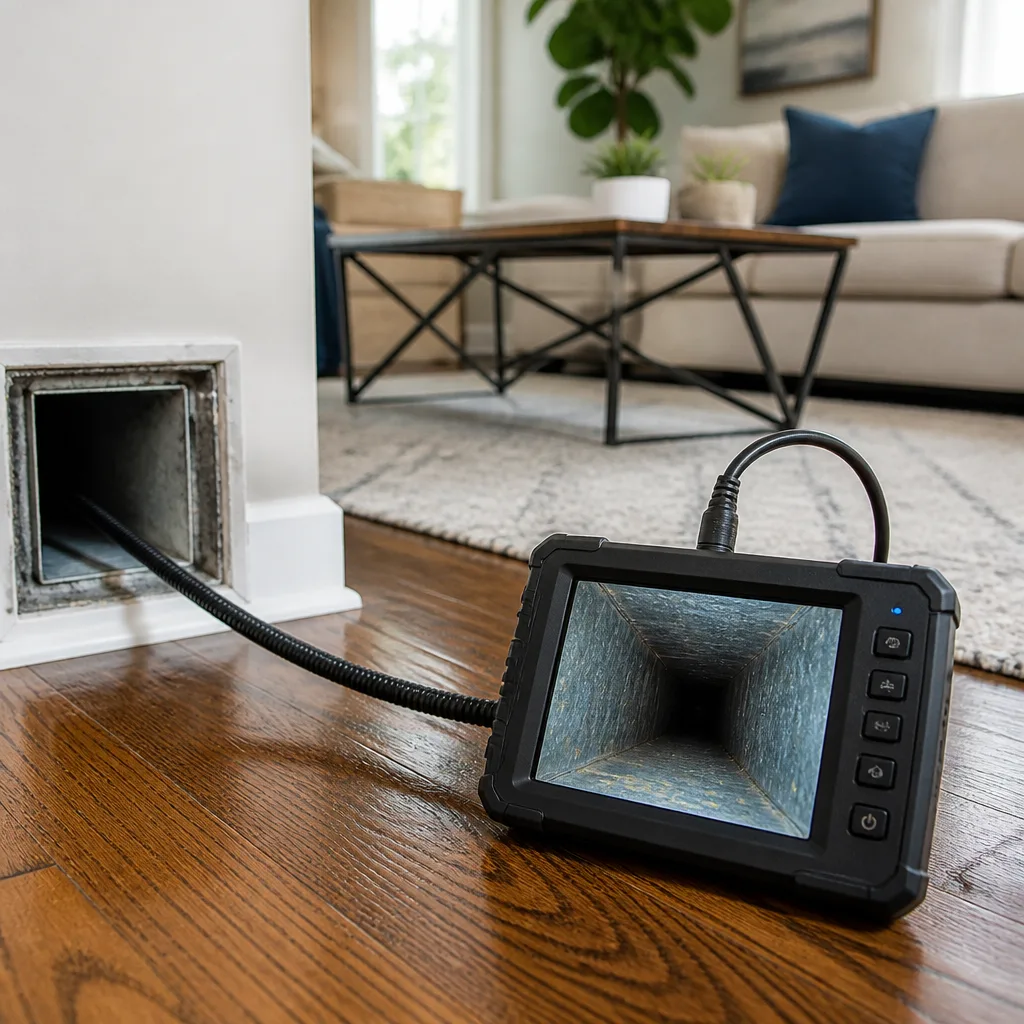 Camera inspection
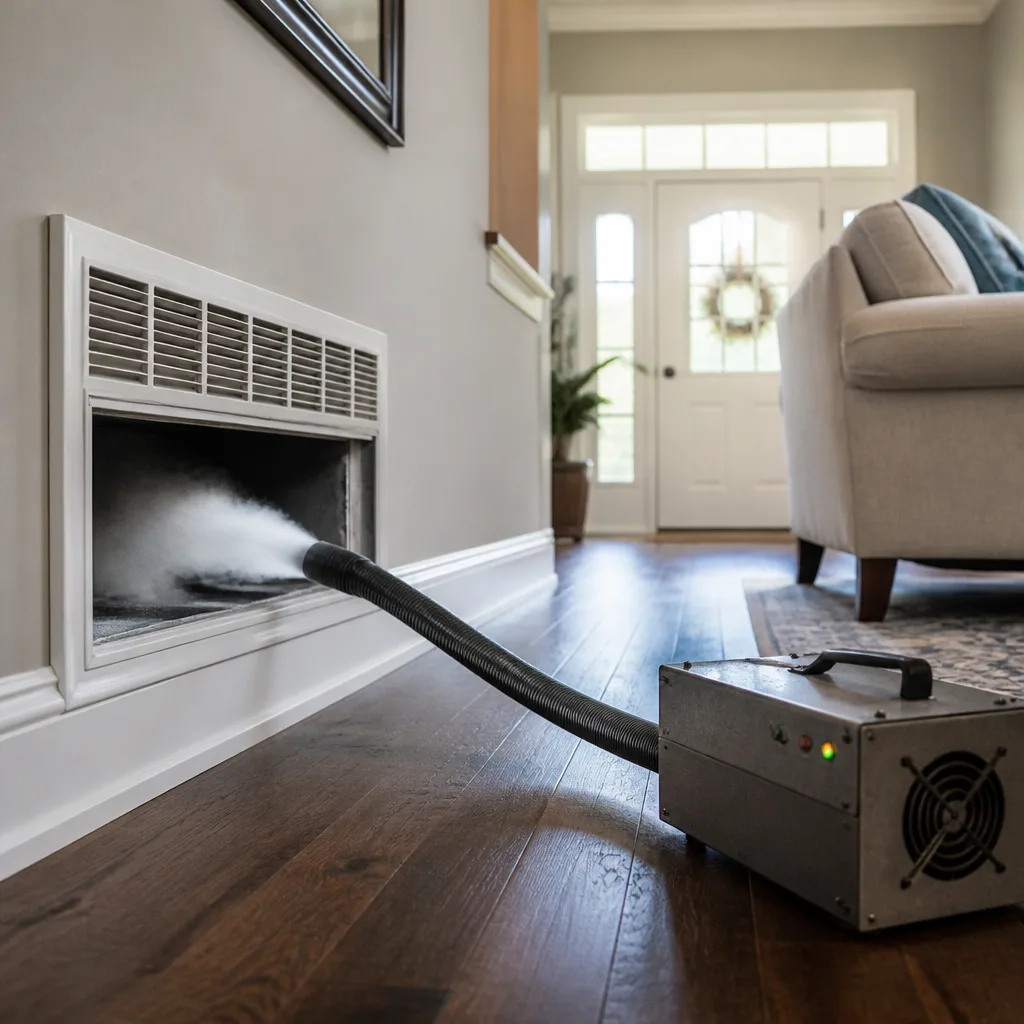 Sanitizing & deodorizing
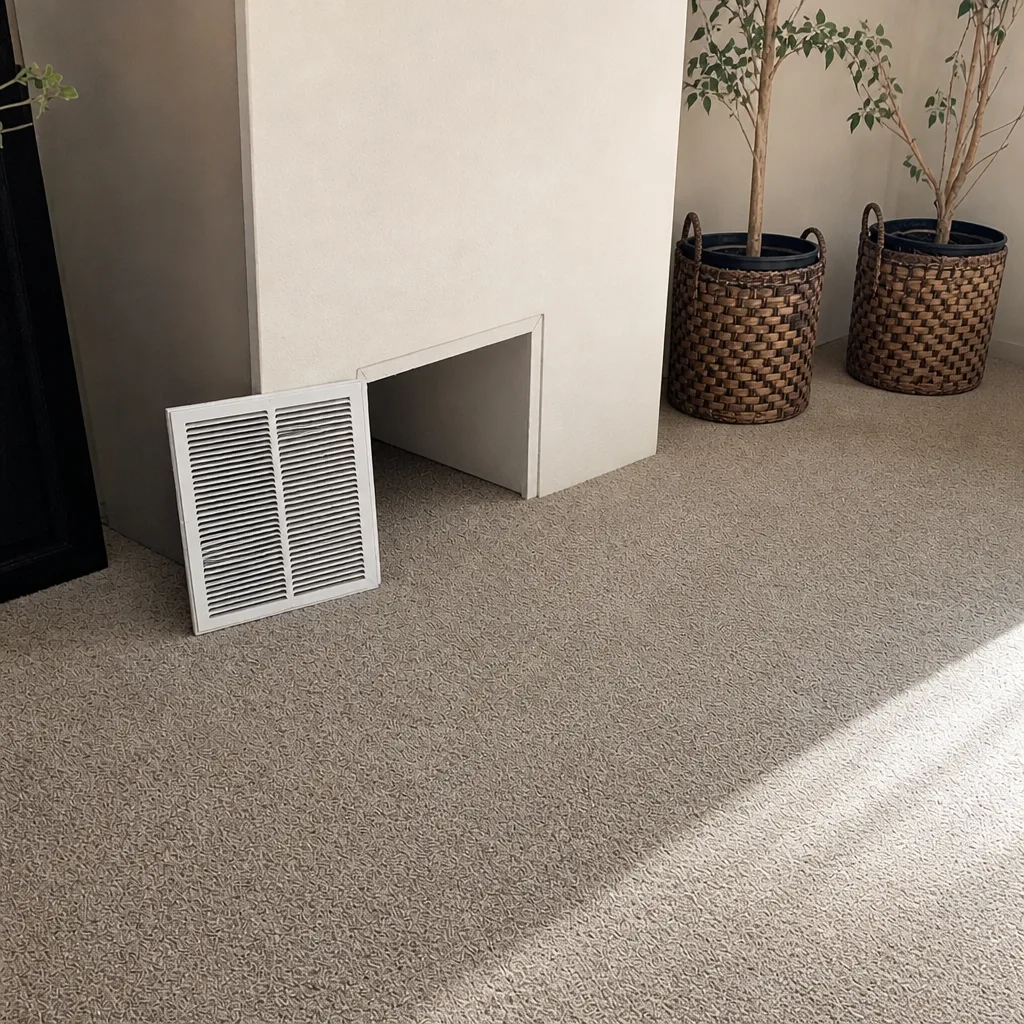
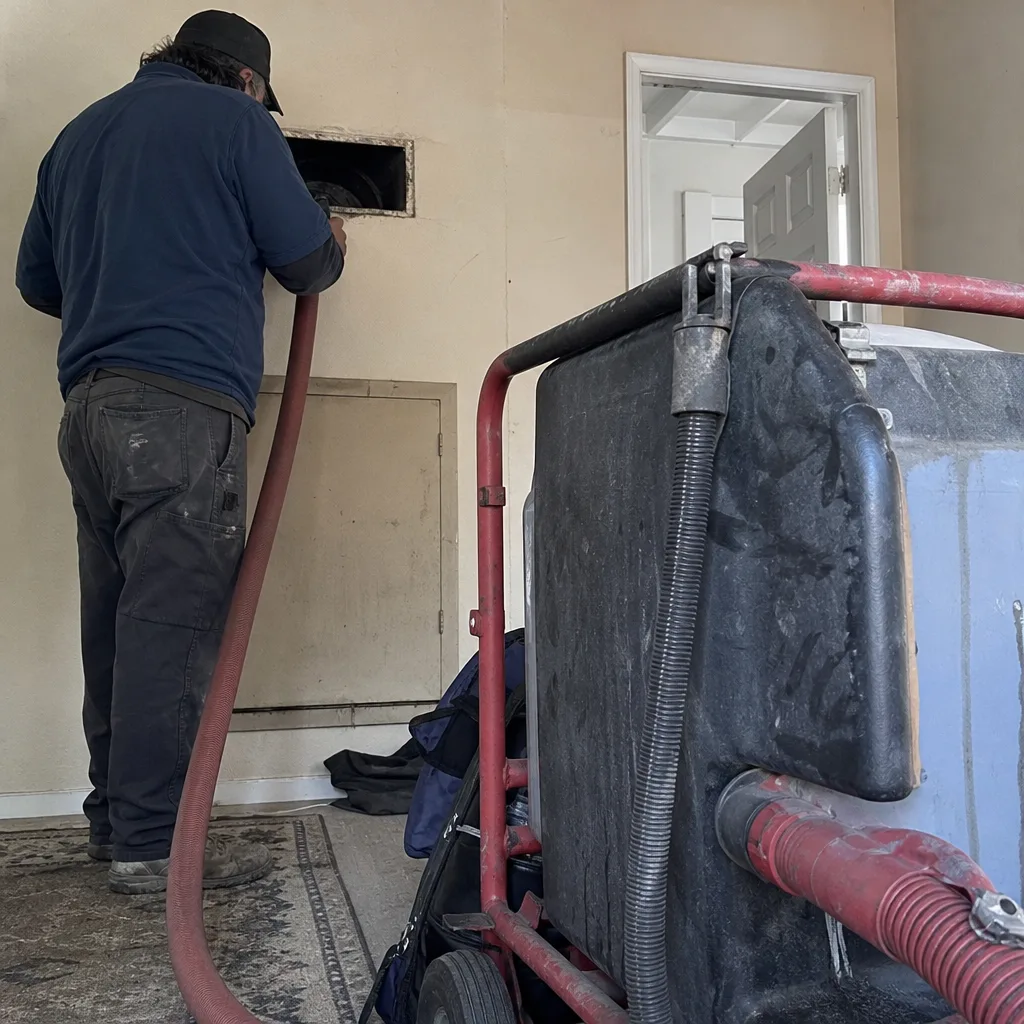
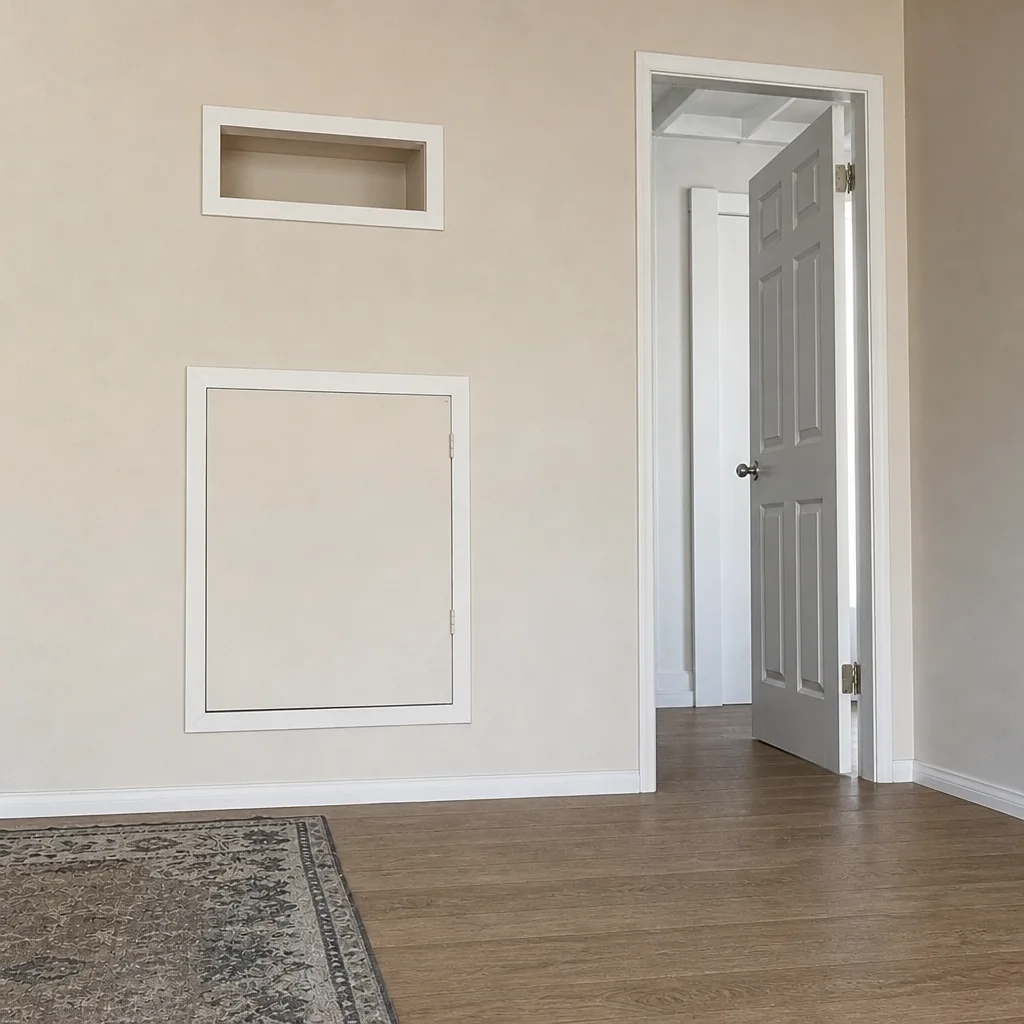
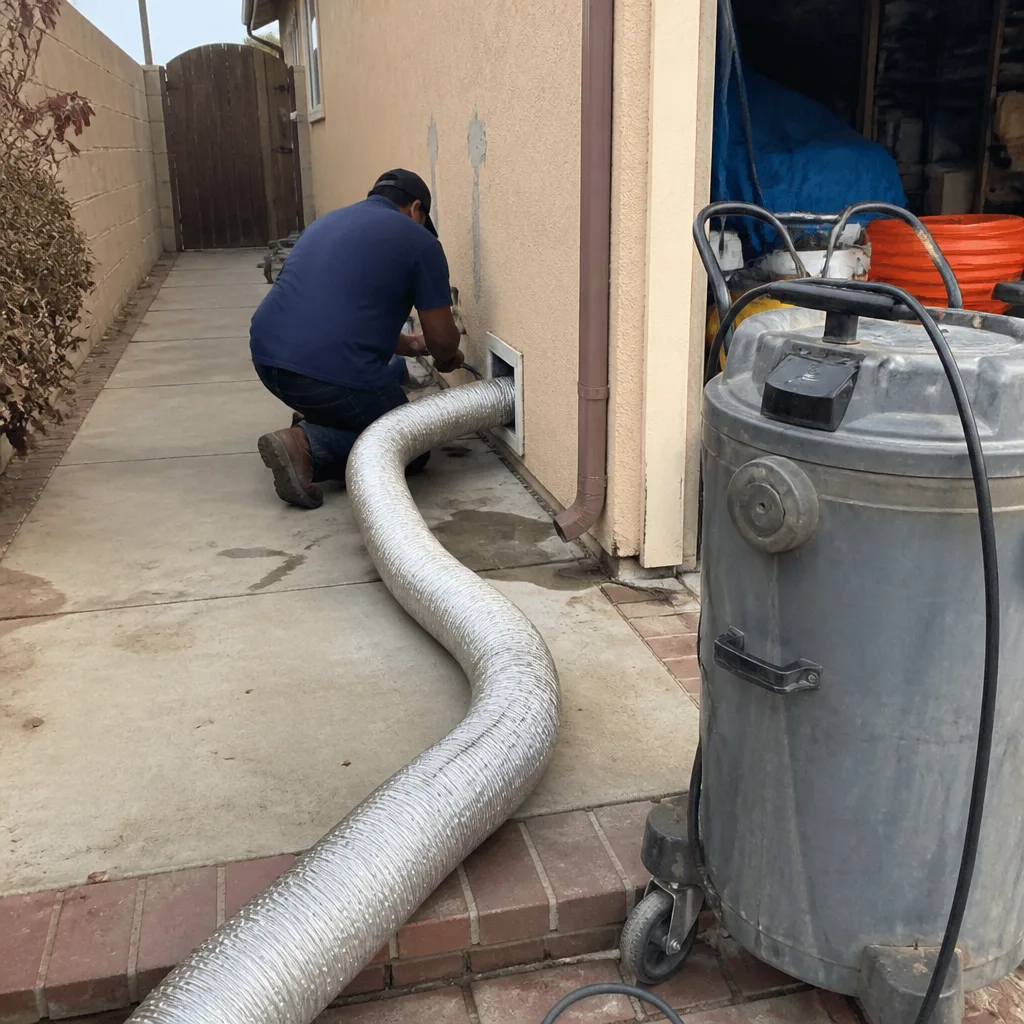
Whole-system duct and dryer vent check with before-and-after photos - you see exactly what came out of your vents
That "$99 whole-house special" is a bait ad - the real number appears once they are in your hallway, or the "clean" is a shop-vac at the register. We photograph the inside of your ducts before and after instead.
Choosing the Right Air Duct Cleaning Brand: A Buyer’s Guide for Buena Park
When a duct cleaning company won’t tell you the make or model of the vacuum collection unit before you book, that’s not a trade secret. It’s a signal that the answer would cost them the job. The equipment is the whole job. A rotary brush on the end of a hose means nothing without a collection machine strong enough to hold negative pressure across every register in the house, and a vacuum that pulls debris out but pushes unfiltered air back into your living room has only moved the problem a few feet. In this guide we’ll walk through the equipment tiers, the tool types, the filtration standards, and the exact questions to ask on a pre-booking call, so that a homeowner in Buena Park can read a quote the way a contractor reads it.
Quick Answer
The right air duct cleaning brand combines a commercial-grade negative-pressure vacuum (Rotobrush and Nikro are the two used most often in residential work, with Abatement Technologies used for containment on heavier jobs), a documented HEPA exhaust standard, and a brush or agitation system matched to your duct material. Ask for the machine’s make, model, and CFM rating before you book. If a contractor can’t name them, they’re not running professional equipment for the job you’re paying for.
Styles & brands we work with
- Whole-home duct cleaning
- Dryer vent cleaning
- Camera inspection
- Sanitizing & deodorizing
Table of Contents
- Why the Equipment Brand Defines the Job
- The Commercial-Grade Vacuum Tier: What Separates Rotobrush and Nikro From Consumer Units
- Brush Systems and Agitation Tools: Rotary, Whip, and Skipper Ball
- Video Inspection Cameras: Quality Control, Not an Upsell
- HEPA Filtration in Collection Equipment: The Exhaust Standard
- How to Ask the Right Equipment Questions on a Pre-Booking Call
- From the Duct to the Air Handler: Why Full-System Thinking Matters
- What Buena Park Homes Actually Face
- Common Mistakes to Avoid
- When to Call a Professional
- Frequently Asked Questions
Why the Equipment Brand Defines the Job
Duct cleaning is a control-of-contaminants job. Everything about it depends on one thing: keeping the dust inside the machine until you can dispose of it. That’s a vacuum physics problem, and it’s why the equipment tier separates a real clean from a surface wipe-down. A portable shop vacuum with a long hose generates suction at the nozzle. A professional collection unit generates negative pressure across the whole duct system, which means every joint, every boot, and every return grille is pulling air toward the machine instead of leaking it into the living space.
In our experience, the brand isn’t a badge. It’s a proxy for the spec sheet. Rotobrush makes the rotary-contact collection systems most residential duct cleaning is built on, and it’s specified in commercial and restoration work for the same reasons it works in a Buena Park house: sustained airflow, contained exhaust, and a brush drive that doesn’t stall against a 90-degree boot. Nikro runs in the same tier for the vacuum side. Abatement Technologies shows up on jobs where containment around the work zone matters more than raw volume, which is usually a sign that someone thought about the house, not just the duct.
What you’re buying when you pay for a duct cleaning in Buena Park is a specific machine, a specific brush, and a specific filtration standard working together for the length of your job. When any one of those is missing, the clean is partial. The right question isn’t “do you clean ducts?” The right question is “what are you bringing into my house, and what does it do when it gets there?”
That starting point is where most service conversations get vague, and where a homeowner who has done five minutes of reading has an advantage. If the answer is a brand you recognize and a spec you can check, you’re talking to a contractor. If the answer is a shrug, you’re talking to a salesperson.
The Commercial-Grade Vacuum Tier: What Separates Rotobrush and Nikro From Consumer Units
The difference between a commercial vacuum and a portable consumer-grade unit comes down to sustained negative pressure, not peak suction. A consumer unit can hit a high number for a few seconds. A commercial collection unit holds pressure across a full-home clean, and the spec that describes it is CFM (cubic feet per minute of airflow) paired with the sealed-suction rating of the motor. Peak CFM at the nozzle is a marketing number. Sustained CFM at the far end of a 40-foot run of flex duct is the number that matters.
Here’s the tier structure you’re choosing between when you shop for air duct cleaning in Buena Park:
- Portable shop vacuum, consumer tier: single-stage motor, light-duty hose, no HEPA exhaust stage. Peak suction drops fast as the hose fills with debris. Almost always leaves the fine dust fraction behind and often exhausts it back into the room.
- Professional-grade residential collection unit (Rotobrush, Nikro): two-stage or three-stage motor, rotary-drive brush integration, HEPA exhaust filtration, and a sealed collection bag or canister rated for fine particulate. Built to hold negative pressure for the length of a whole-home clean.
- Containment and restoration tier (Abatement Technologies): the same class of machine used in water-damage and mold remediation, with HEPA filtration on the exhaust as a primary spec and containment protocols around the work zone. Used on jobs where the debris load is high, the ductwork is contaminated beyond routine dust, or the household has medical sensitivities.
The practical consequence for a Buena Park homeowner is time and coverage. A commercial unit running at proper negative pressure cleans a full system in a single pass with the containment bag holding the debris. A portable unit tends to need multiple passes and often leaves the fine dust fraction undisturbed, which means the musty smell returns within a few weeks and the homeowner concludes that duct cleaning doesn’t work. It does work. It just wasn’t done on the right tier of equipment.
When you see a company name Rotobrush or Nikro voluntarily, that’s a company that expects you to check. When they name Abatement Technologies, that’s usually a company thinking about how the rest of the house stays clean while the work is happening. Both are signals worth reading.
Brush Systems and Agitation Tools: Rotary, Whip, and Skipper Ball
Agitation is what actually dislodges the debris. Suction alone pulls the loose top layer off the duct wall and leaves the bonded film behind. The three agitation tools used in residential duct cleaning each do a different job, and knowing which one your contractor is using tells you whether your duct type is being cleaned properly or damaged.
Rotary contact brush systems
A rotary brush is a spinning head on a flexible drive shaft that contacts the duct wall and scrubs it. This is the workhorse on rigid galvanized duct, and it’s what most residential jobs are built around. The brush diameter and stiffness are matched to the duct size and material. On a standard 6-inch branch run, a proper rotary brush scrubs and vacuums in the same pass. On a larger trunk line, the drive head is bigger and slower. The Rotobrush system is built around this principle, and the reason it appears on so many jobs is that the drive integration lets the technician control brush speed and vacuum pull at the same time.
Pneumatic whip systems
A whip is a compressed-air-driven cable with a soft head that spins on the end of a flexible line. It’s used where a rigid rotary brush would risk damage, particularly on flex duct and on duct runs with tight radii. The whip agitates without scraping, which is important because flex duct has a plastic inner liner that tears if it’s scrubbed with the wrong tool. A torn liner is worse than a dirty duct: it opens a hole that leaks conditioned air into an unconditioned chase. If a contractor only carries rotary brushes and you have flex duct throughout, ask how they handle the liner.
Skipper balls and air-driven agitation
A skipper ball is a soft, air-driven sphere that travels the length of the duct, bouncing off the walls and agitating the whole run as compressed air drives it forward. It’s an efficient way to clean long straight runs of rigid duct and it works well in commercial jobs with big trunk lines. On tight residential branch runs it’s less useful, which is why it shows up less often in-house. A contractor who carries all three tool types can match the tool to the duct. A contractor who carries one uses the one they have, and sometimes that’s the wrong one.
Which brings up the Buena Park point. Housing stock in this city covers a wide range: mid-century single-story homes in the older residential blocks near downtown, tract homes built through the 1970s and 1980s with original flex-duct branches, and newer construction with more rigid duct and short runs to the air handler. All of those duct types can be cleaned properly, but not with the same tool, and a Buena Park homeowner is better served by asking about tool variety than by asking about a lower price.
Video Inspection Cameras: Quality Control, Not an Upsell
A video inspection camera should be part of a professional duct cleaning job, not an add-on. The camera is how the contractor confirms the clean actually happened, and how you confirm it too. It’s the difference between “we cleaned your ducts” and “here’s the inside of your return trunk before we touched it, and here’s the same shot after.”
What to look for in a camera inspection:
- Before and after footage of the same duct runs. Not a generic demo video. Your ducts. Documented runs, labeled by location, so the two shots can be compared side by side.
- Good lighting inside the duct. A camera without proper illumination shows you a dark tube. A quality setup shows texture, color, and whether the bonded film is gone.
- Video or stills saved to your record. Contractors running proper quality control save the footage and can share it with you after the job. Ask where it goes and how you get it.
- Inspection at the return and at the supply branch. The return side usually carries more dust load, and the supply branches tell you whether the agitation step reached the far ends. Both sides matter.
- Camera pass on the dryer vent. A dryer vent inspection is a separate safety check, and it’s where a camera catches the lint pack that a surface look misses. If you’re booking dryer vent cleaning, ask whether a camera goes in.
In our experience, the camera is where homeowners stop wondering whether the job was done. It’s also where the honest contractors separate from the ones that treat the deposit as the finish line. A camera inspection costs a contractor time, not money, so a company running proper video documentation is one that has built the workflow around doing the job correctly. That’s the standard you should expect from a Buena Park duct cleaning company, and it’s a fair thing to ask for in writing before you book.
The other practical value of the camera is diagnosis. If the technician sees a separated joint, a crushed flex run, or a boot that never got sealed, the clean isn’t the full fix. Duct repair and sealing is a separate scope, and a company that finds the problem and can’t fix it on the same visit leaves you with a clean system that still leaks. Our toolkit extends into repair and sealing for exactly that reason: we repair what we find.
HEPA Filtration in Collection Equipment: The Exhaust Standard
A vacuum that extracts contaminants but exhausts unfiltered air into your living space has only relocated the problem. The suction standard gets the dust out of the duct. The exhaust standard is what keeps it out of your air. Both matter, and they’re separate specs on the machine.
HEPA filtration is the filter stage that captures fine particulate before the exhaust air returns to the room, and it’s the spec you want to see on the vacuum collection unit itself, not only on a standalone air scrubber in the work zone. A commercial-grade unit with a sealed HEPA exhaust stage is what makes the negative-pressure approach work: dust goes in, filtered air comes out, and the fine fraction stays in the collection bag. A portable unit without a HEPA stage on the exhaust pulls the same dust out of the duct and then blows the smallest particles, which are the ones that actually hang in the air, back into the room you’re trying to clean.
The secondary layer is containment. Abatement Technologies containment protocols and Guardsman surface protection show up on jobs where the technician plans for what happens around the work zone, not just inside the duct. Drop cloths, corner guards, and plastic sheeting sound like small details until you’re the one cleaning a fine gray film off your furniture afterward. Containment is the difference between a duct cleaning and a duct cleaning that left your house cleaner than it found it, and in our experience, a homeowner who has been through a job without containment only needs to be through it once.
Here’s the way to check both at the pre-booking stage: ask whether the collection unit has a HEPA exhaust stage, and ask whether the technician sets up containment before opening the first register. Both questions have clear answers. A company running the right tier of equipment answers without hesitation. A company running a dressed-up portable unit gets vague, and vague is the answer.
How to Ask the Right Equipment Questions on a Pre-Booking Call
The pre-booking call is where you have the leverage, and it takes about three minutes. These are the exact questions that separate an operator running commercial-grade equipment from one running portable units dressed up in professional packaging. Write them down before you dial.
- “What make and model is your vacuum collection unit?” You’re listening for a specific answer: Rotobrush, Nikro, Abatement Technologies, or an equivalent professional brand. “We use industrial equipment” is not an answer.
- “What’s the CFM rating, and is that sustained or peak?” Sustained airflow across the length of the run is what matters. A contractor who knows the number on their machine knows their equipment.
- “Does the collection unit have a HEPA exhaust stage?” Yes or no. This is the question that answers whether the fine dust leaves your house or just your ducts.
- “What brush or agitation tools do you carry, and how do you match them to flex duct versus rigid duct?” You’re listening for rotary brush and pneumatic whip at minimum, plus a reason for the choice.
- “Do you run a camera inspection before and after, and do I get the footage?” The answer tells you whether quality control is part of the process or an extra.
- “Do you set up containment in the work area before you start?” A simple yes, plus detail on how, is what you’re listening for.
- “What’s the flat price for my whole system, in writing, before the day of the job?” One flat price per system, agreed before work starts, is what a serious contractor offers. Per-vent pricing is a red flag because it scales with guesswork and leaves the total open.
If two or three of those answers are crisp and the details check out, you’re talking to a professional operation. If most of them are deflected, you’ve learned more in three minutes than a longer sales visit would have told you. This is the point where knowing two or three brand names shifts the power of the conversation from the contractor back to the homeowner.
Our own answers, for the record: professional-grade Rotobrush and Nikro duct cleaning systems, HEPA exhaust filtration on the collection side, rotary brush and whip tooling, camera inspection before and after, containment and Guardsman surface protection on the work zone, and one flat price per system agreed before work starts. If you’re comparing us with another Buena Park duct cleaning company, ask them the same seven questions.
From the Duct to the Air Handler: Why Full-System Thinking Matters
A duct cleaning company that cleans the ducts and stops at the air handler has cleaned half the system. The supply and return ductwork is the delivery path. The air handler and blower cabinet are where the dust originates and where the pressure drop happens. If the air handler stays dirty, the coil and blower motor keep feeding the ductwork, and the clean has a short shelf life. That’s the reason to look for a company that offers HVAC cleaning alongside duct cleaning on the same visit, and why a full-scope provider covers the entire path.
The full path, in sequence:
- Supply ducts and return ducts – the distribution path, cleaned with matched agitation and collection
- HVAC components – evaporator coil, blower wheel, drain pan, and cabinet, cleaned so the system stops re-seeding the ductwork
- Duct repair and sealing – separated joints, crushed runs, and unsealed boots, addressed so the clean system holds pressure
- Dryer vent – a separate safety path, cleaned and inspected because lint pack is a fire risk
- Air quality and sanitizing – filtration upgrades and sanitizing treatment applied once the system is actually clean
The value of a single-source provider shows up in the third step. A duct cleaner who finds a separated joint has to refer you to someone else. A company that offers duct repair and sealing does the fix on the same visit, and the system that leaves the house is clean, sealed, and sanitized rather than just clean. That’s the standard we work to: from the duct to the air handler, one call, one flat price, and one follow-up camera pass to confirm the work.
Filtration upgrades and air quality components
Once the system is clean and sealed, filtration is where the measurable part of air quality lives. Honeywell and Aprilaire air quality components are the standard residential brands for filter cabinets, media filters, humidifiers, and air cleaners, and the reason we carry them is that the right filter in a clean system does measurable work on particulate. A high-MERV filter in a dirty system does nothing but restrict airflow and strain the blower. The order matters: clean, seal, then upgrade filtration. Air you can measure, not just promise.
If you already have a Honeywell or Aprilaire component and it isn’t performing, the second visit is the one that catches it. A full-system provider can clean, service the filter cabinet, and confirm the upgrade step in one job rather than three. For a Buena Park homeowner, that’s a lot less scheduling and a lot more confidence that the pieces fit together.
What Buena Park Homes Actually Face
Buena Park sits in the flat, mild-winter part of north Orange County, and the housing stock here tells most of the story about duct condition. The city has a wide mix: mid-century single-story homes in the older neighborhoods near downtown and along Beach Boulevard, tract homes built through the 1970s and 1980s with early flex-duct branches and air handlers tucked into closets and garages, and newer construction with more rigid duct and shorter runs. Each of those produces a different duct cleaning job, and a Buena Park homeowner is better off knowing which one they have before they book.
Older Buena Park homes often have original galvanized trunk lines with flex branches added on during past HVAC replacements. The trunk lines scrub up well with a rotary brush. The flex branches need a whip because their inner liner tears under a rigid brush. A company that can’t match the tool to the branch is a company that either leaves the liner damaged or leaves the branch dirty, and neither is a good outcome.
The other local factor is what comes through the return. This part of Orange County has long dry stretches and a mild winter, so the dust load on the return side is mostly the everyday kind: skin cells, fabric fibers, pet dander, and the fine particulate that comes in through open doors and windows during the dry season. Milder winters here also mean the HVAC system runs fewer heating hours than in colder climates, so dust settles and bonds rather than cycling through the filter as fast. That bonded film is exactly what agitation is for, and it’s why a suction-only clean leaves the smell behind.
Buena Park also has a lot of light-commercial and rental stock, and property managers deal with the same questions on a different schedule. A full-system approach with documented camera footage is often what a property manager needs most, because the footage goes into the file and settles the question when a tenant complains. If you’re managing property in Buena Park, ask for the before-and-after record up front.
Common Mistakes to Avoid
- Booking on price alone without asking for the machine brand. A low quote with a portable vacuum isn’t the same job as a commercial-grade clean. You save on the invoice and pay it back in a re-clean six months later.
- Not asking about the HEPA exhaust stage. Suction alone tells you the dust left the duct. It doesn’t tell you where it went. Ask about the exhaust stage before you book, and treat “industrial equipment” as a non-answer.
- Letting the contractor skip the camera inspection. A clean without footage is a claim without proof. Buena Park homeowners should expect before-and-after documentation as part of the job, not as an extra line item.
- Booking a duct-only clean when the air handler is dirty. Cleaning the ducts and leaving the coil and blower untouched means the system starts re-seeding the clean ductwork on the first run. Ask whether HVAC cleaning is on the same visit.
- Paying per vent. Per-vent pricing leaves the total open to interpretation and rewards the contractor for counting rather than cleaning. A flat price per system, agreed in writing before work starts, is the honest structure.
- Not asking about duct repair after the clean. If the camera finds a separated joint or a crushed flex run, a clean system that’s still leaking is half a fix. Ask in advance whether the company can repair and seal what they find.
- Forgetting the dryer vent. The dryer vent is a separate path with a separate safety profile, and it’s the one most air-duct-only companies skip. Include it in the booking if it’s been a while.
The common thread is that every one of these mistakes is fixable by asking one more question before booking. The right equipment brand, the HEPA exhaust standard, the camera inspection, and the flat price are all things a serious Buena Park duct cleaning company will answer without hesitation. If they won’t, that’s information.
When to Call a Professional
Duct cleaning isn’t a yearly task for most homes, but there are specific triggers that make it a call. You notice allergy symptoms that flare inside the house and settle when you leave. You smell a musty or dusty odor the first time the HVAC runs after a dry stretch. Airflow is uneven between rooms, with some registers pushing weak and others strong. Utility bills creep up without a change in usage. There’s visible dust settling on surfaces a day after cleaning. The system has been through a remodel or a major renovation that sent dust through the return. The dryer takes longer than it used to. A new home purchase with unknown duct history.
Any of those is a reasonable reason to book a professional assessment. From there, the direct answer is the pre-booking call: ask for the machine brand, the CFM, the HEPA exhaust, the tools, the camera, and the flat price. We at Buena Park Air Duct Cleaning Pros offer free estimates in Buena Park. Call (855) 658-5164. We answer 24/7. Fast dispatch from 7am to 7pm, Sunday through Friday.
Frequently Asked Questions
Look for a company that names its vacuum collection unit brand without hesitation. Rotobrush and Nikro are the two professional-grade systems used most often in residential duct cleaning, and Abatement Technologies is the brand you’ll hear when containment protocols matter on the job. A company that mentions these names, plus Honeywell or Aprilaire on the air quality side, is telling you it’s running commercial-tier gear. If the answer is “industrial equipment” with no brand, that’s the answer.
Typical full-system residential duct cleaning in Buena Park runs as a flat price per system rather than a per-vent rate, and the written estimate sets the final number. What drives the range is duct count, accessibility, how much debris the system carries, and whether HVAC cleaning or duct repair is on the same visit. Ask for a flat price in writing before work starts, and treat any quote that starts per-vent with suspicion. Call (855) 658-5164 for an exact quote – estimates are free.
Cheap quotes are usually running a portable vacuum with no HEPA exhaust stage, no camera inspection, and no containment, and sometimes with per-vent pricing that leaves the total open. The lower invoice reflects a lower equipment tier, not a better rate for the same job. A commercial-grade clean costs more to run, and the difference shows up in the camera footage and in how long the result lasts. Call (855) 658-5164 to compare a flat full-system quote for your Buena Park home.
You know because you see the footage. A professional duct cleaning includes a video inspection before the clean and after, with the record saved and shared with you. Combined with containment around the work zone, a flat price agreed in writing, and a camera pass that shows the same duct run clean, you have a documented result rather than a promise. Ask for the before-and-after footage as part of the booking. Call (855) 658-5164 and we’ll walk you through how the record works.
Most Buena Park homes don’t need annual duct cleaning, and a company that pushes it every year is telling you something about its sales model. Typical triggers are a remodel, a new home purchase, a pet in the house, a musty smell on first HVAC start, visible dust settling within a day, or uneven airflow that wasn’t there before. Between those triggers, a clean, sealed, well-filtered system can go several years. Call (855) 658-5164 and we’ll tell you honestly whether your system needs it now.
Routine duct cleaning typically does not require a permit. What can require one is duct repair and sealing work that modifies the system, or an HVAC component replacement that changes the equipment or its connection to the ductwork. Most cities require a permit for that kind of work, so ask your city’s building department before the job and ask the contractor whether the scope crosses that line. If you’re not sure whether the repair is structural, call (855) 658-5164 and we’ll help you sort out which side of it you’re on.
The Bottom Line
Equipment brand in duct cleaning isn’t marketing detail. It’s the spec sheet for the negative pressure in your system, the filtration on the exhaust, and the tool that contacts your duct wall. Rotobrush and Nikro on the suction side, Abatement Technologies containment on the work zone, and Honeywell or Aprilaire components on the air quality side mean the company is running the tier of equipment the job actually requires. Ask the seven pre-booking questions, expect a camera record, and insist on one flat price per system agreed in writing. A Buena Park Air Duct Cleaning Pros technician with up to 15 years of experience can walk your system start to finish, clean, sealed, and sanitized, from the duct to the air handler. Call (855) 658-5164 for a free estimate. We answer 24/7. Fast dispatch from 7am to 7pm, Sunday through Friday.
Written by the team at Buena Park Air Duct Cleaning Pros.
See the difference
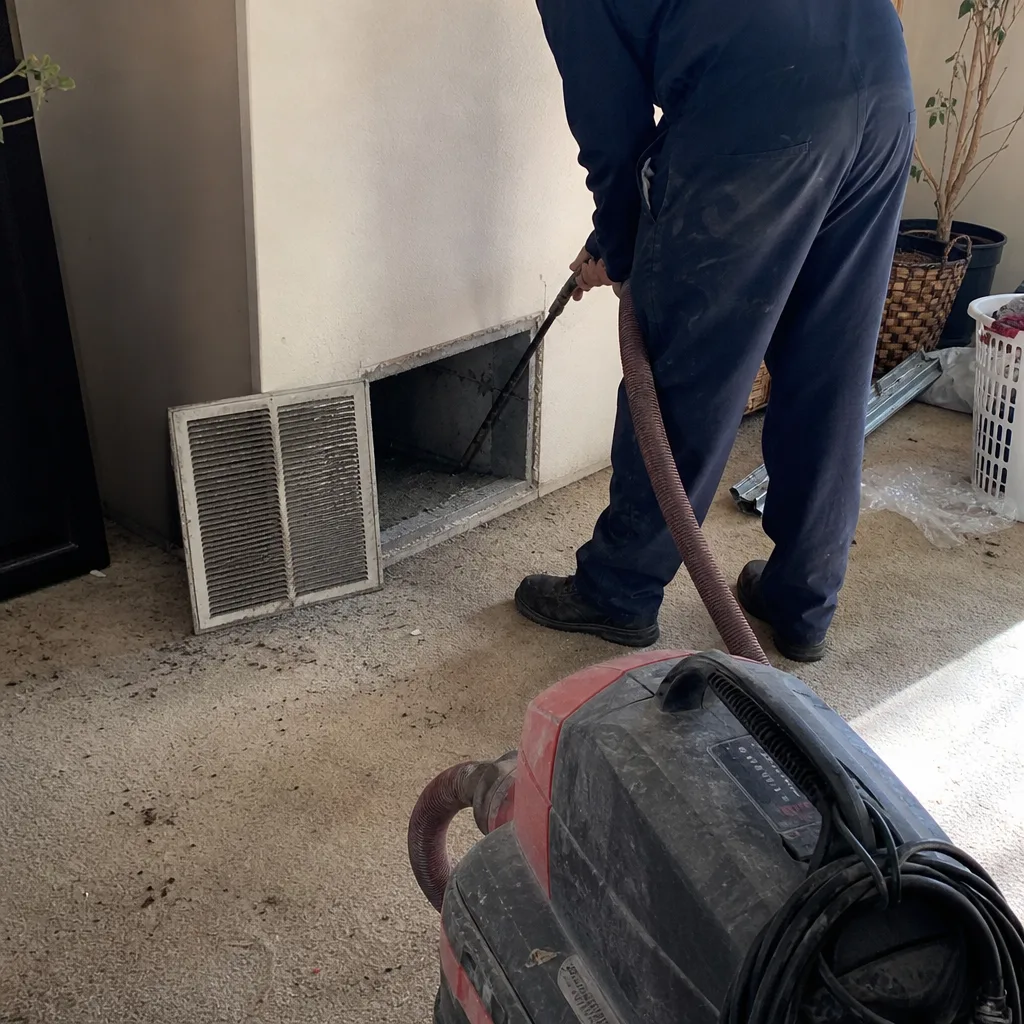 Before
 After
 Before
 After
 Before
 After