
Last updated November 25, 2026
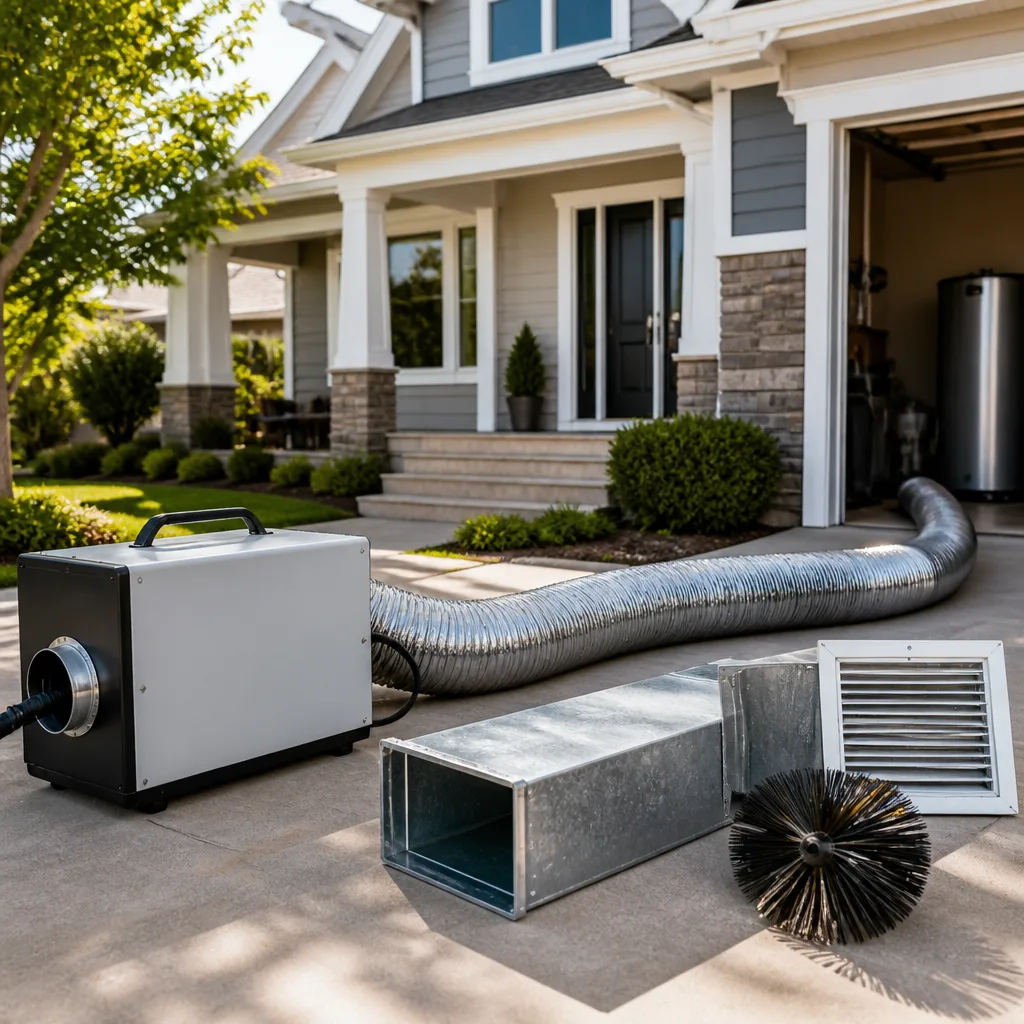 Whole-home duct cleaning
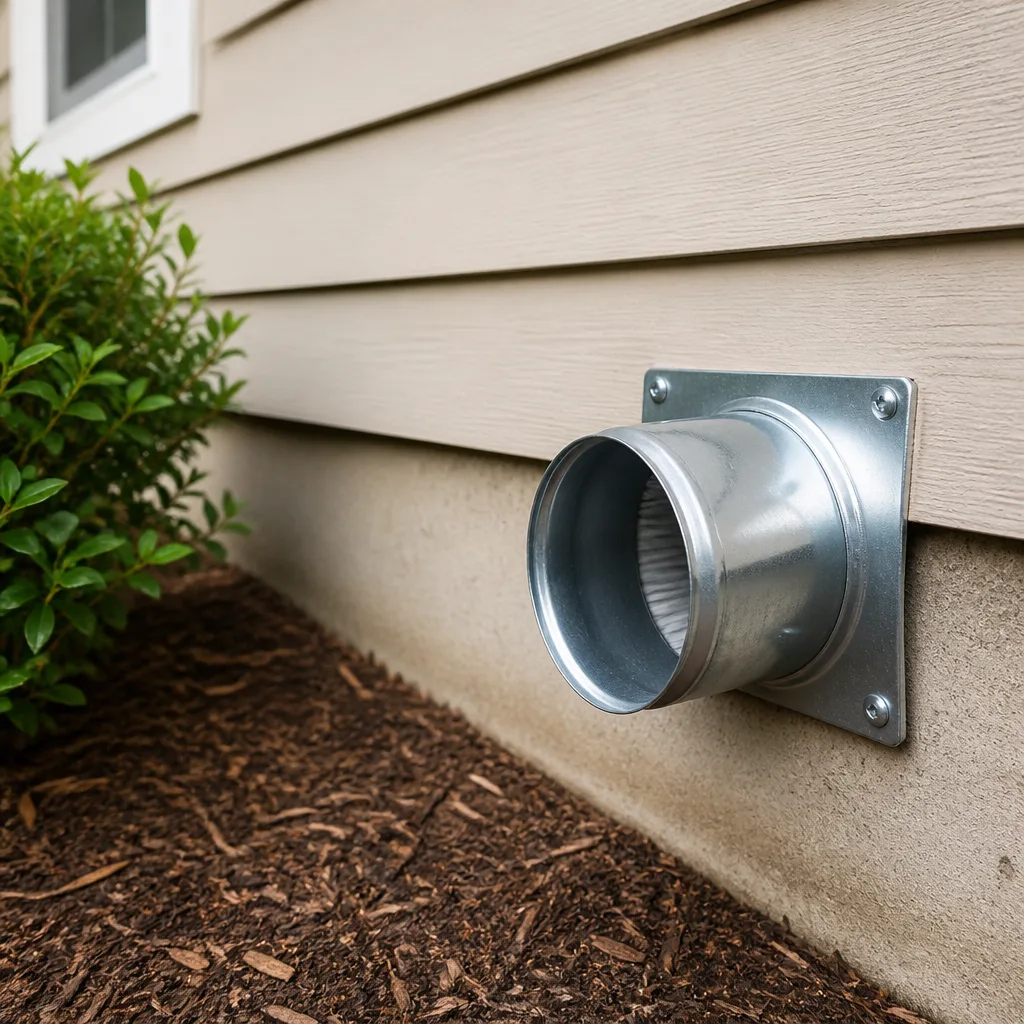 Dryer vent cleaning
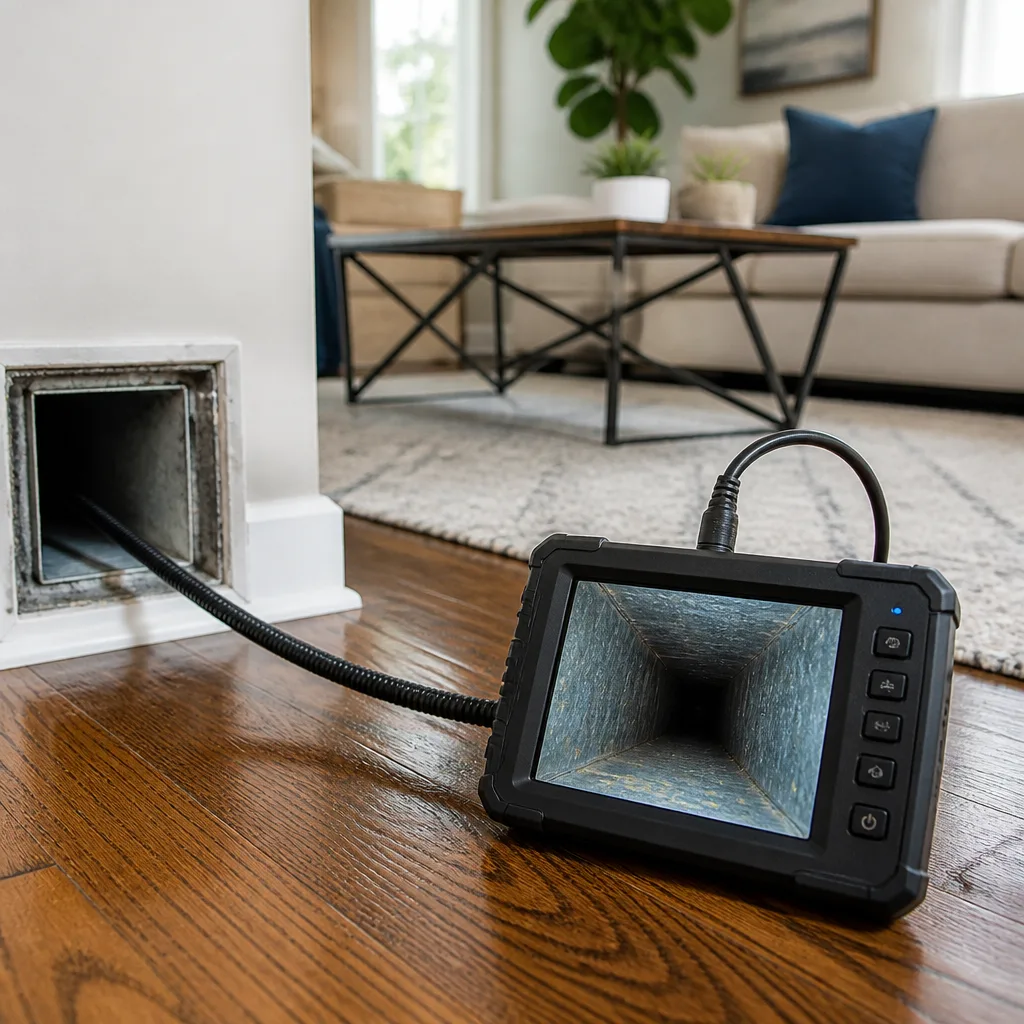 Camera inspection
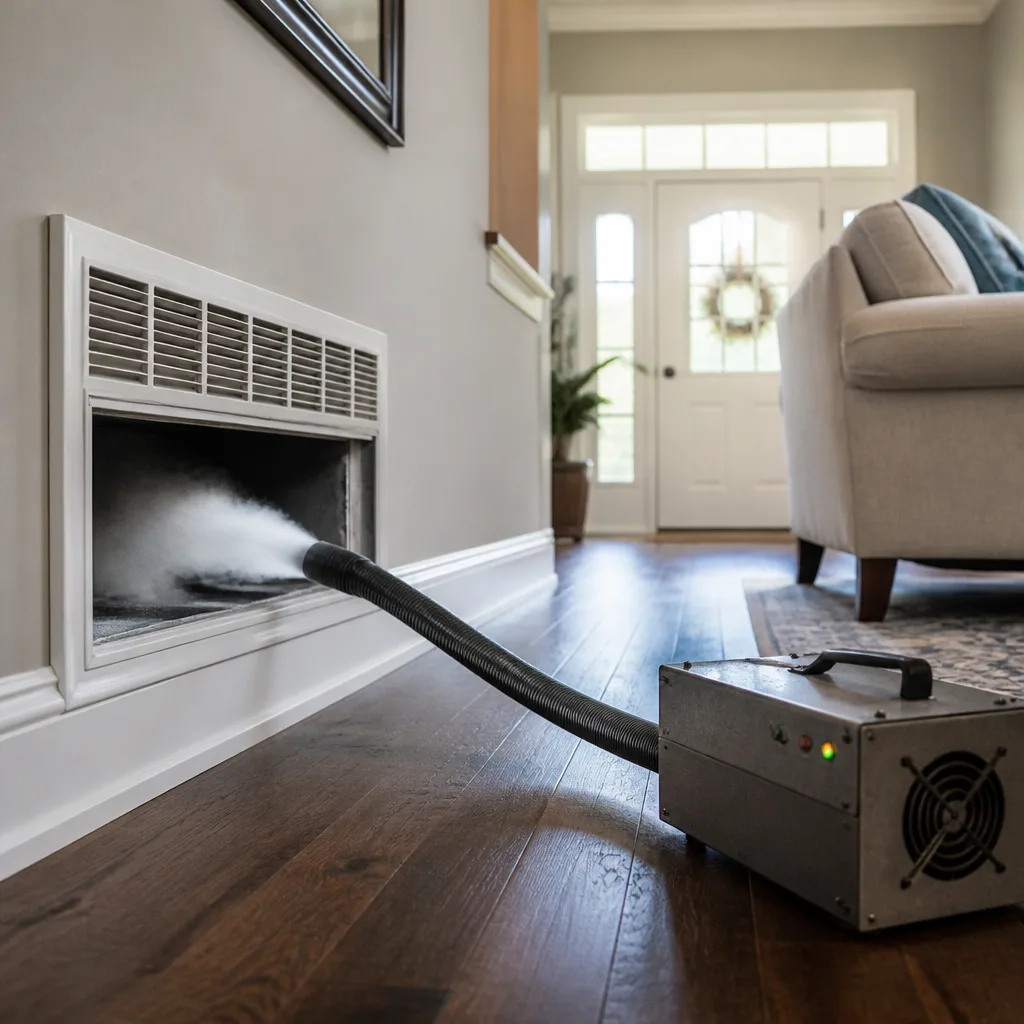 Sanitizing & deodorizing
Whole-system duct and dryer vent check with before-and-after photos - you see exactly what came out of your vents
That "$99 whole-house special" is a bait ad - the real number appears once they are in your hallway, or the "clean" is a shop-vac at the register. We photograph the inside of your ducts before and after instead.
DIY vs Professional Air Duct Cleaning: The Buena Park Homeowner’s Decision Guide
Most homeowners who try cleaning their own ducts assume the limiting factor is technique: better brush, slower pace, more patience. It isn’t. It’s physics. A shop vacuum pulls roughly 50 – 80 CFM of air; the professional systems we run pull 3,000 – 5,000 CFM, and that gap determines whether contaminants leave your system or just get pushed around inside it. This guide explains what that gap means for a Buena Park home, what DIY genuinely accomplishes (more than you’d think, in a few specific places), and where a brush in the wrong hands can do real damage. You’ll come away with a clear, honest framework for deciding which side of the line your own house falls on.
Quick Answer
DIY duct cleaning can maintain the visible parts of your system, but it cannot perform source-removal cleaning, because consumer vacuums generate a small fraction of the negative pressure required to extract debris from inside the duct run. Professional cleaning works because commercial equipment pulls the contaminants out under contained negative pressure rather than agitating them back into the air. In a Buena Park home, that difference shows up most clearly in attics and long duct runs where dust and biological growth collect out of reach.
Styles & brands we work with
- Whole-home duct cleaning
- Dryer vent cleaning
- Camera inspection
- Sanitizing & deodorizing
Table of Contents
- The Physics That Decide Everything
- What DIY Duct Cleaning Actually Accomplishes
- Risk Scenarios: Where DIY Attempts Go Wrong
- Buena Park Home Types: Where DIY Fits and Where It Doesn’t
- The Honest Cost-Benefit Framework
- How to Evaluate a Professional Quote
- A Practical Maintenance Timeline
- Common Mistakes to Avoid
The Physics That Decide Everything
Duct cleaning is a source-removal process, not a surface-wiping process. The goal is to lift settled particulate from the interior walls of the duct and move it into a collection device without letting it escape into the living space. You can only do that with air volume and pressure. This is where the whole debate turns.
Two measurements matter: CFM (cubic feet per minute, the volume of air moved) and static pressure (measured in inches of water column, the force behind that air). Professional duct cleaning rigs generate both in large quantities. Rotary brush systems such as Rotobrush use flexible agitation heads paired with high-volume negative pressure, and contactor-grade vacuums from Nikro are built to hold that pressure at the collection end. Together they create a suction path that runs the length of the duct.
A shop vacuum, even a good one, produces a small fraction of that. So when a homeowner runs a vacuum hose down a register, three things tend to happen:
- Loose dust near the register is pulled up, giving a visible result.
- Dust farther down the run is disturbed but not captured.
- The agitation pushes some of that loosened material deeper or back into the airstream.
That third point is why DIY cleaning can sometimes make air quality feel worse for a few days. The contaminants weren’t removed. They were moved. In Buena Park’s dry, warm climate, fine dust stays airborne easily, so redistributed particles can linger in a room well after the vacuum is put away. In our experience, the houses where DIY “cleaning” produced a noticeable short-term dust spike are the same houses with long runs and older flex duct.
Containment matters too. Professional setups use products like Abatement Technologies containment and HEPA filtration to keep what’s loosened from migrating into the home. DIY has no equivalent, which is the single biggest reason the physics gap can’t be closed by technique.
What DIY Duct Cleaning Actually Accomplishes
Here’s the honest part: DIY maintenance is real. It’s just narrow. There’s a genuine, useful job you can do yourself every few months, and it’s worth doing correctly. The key is that it happens at the surface, not down the run.
Legitimate DIY tasks include:
- Register and grille cleaning. Remove supply and return grilles, wash them in warm soapy water, dry them fully, and reinstall. This is the most visible and most useful DIY task.
- Accessible plenum wiping. If the return plenum (the short duct section just before the air handler) is easy to reach, wipe the interior with a damp cloth. Do not scrub if you see loose fibrous lining.
- Filter replacement per the filter you use. Check it monthly during heavy cooling season and replace it on the manufacturer’s schedule. This is essential and entirely a homeowner job.
- Visible debris removal at the register boot. A vacuum head held at the register opening without pushing into the duct can catch what’s sitting loose at the edge.
What DIY does not accomplish: cleaning the full interior of run, removing settled dust from the return system, addressing microbial growth, or cleaning the air handler’s interior coil and blower. Those require the negative pressure and containment a shop vacuum can’t provide.
The trap here is the false sense of completion. A homeowner who washes the grilles, vacuums the visible duct edge, and replaces the filter can reasonably feel they’ve “done the ducts.” That feeling is what delays professional service by a year or more, while the actual contamination continues accumulating inside the system. DIY maintenance is a supplement, not a substitute.
Risk Scenarios: Where DIY Attempts Go Wrong
Not every DIY attempt causes damage, but the ways it does go wrong are predictable. If you’re considering anything beyond surface work, know these failure modes first. For genuinely damaged or contaminated systems, this is work for a trained professional, and the safety margin narrows fast.
- Flex duct puncture. Flexible duct has a thin inner liner and a reinforcing helix. Rigid brushes pushed at pressure can score or puncture the liner. Once that happens, the duct leaks air into a wall cavity or attic, and it has to be replaced, not patched.
- Dislodged deteriorated liner. Some older flex and fiberboard duct has a degraded interior coating. Agitating it loosens flakes that then travel downstream and clog the coil or blow out through registers. What was a mild air-quality complaint becomes a real repair.
- Mold spore spreading without containment. If there’s visible biological growth inside the duct, brushing it without containment aerosolizes spores into the living space. That’s a health and air-quality risk, and it needs proper abatement protocols, not a home vacuum.
- Air handler damage. Reaching into the air handler cabinet around the blower or coil risks bending delicate fins or contacting live electrical components. That last point matters: the air handler contains electrical wiring, and a non-qualified person should not open that cabinet. If your system has electrical components you’re uncertain about, stop and call a professional.
- Sealing improperly. Some homeowners try to tape and mastic leaks, then leave gaping ones because they can’t reach the actual leak point. Poor sealing worsens the imbalance in the system.
In our experience, the calls that start with “I tried to clean it myself and now it sounds different” almost always trace back to flex duct damage or a dislodged liner. Neither is repairable at the surface. A trained technician using duct repair and sealing can address the root cause, but the original duct section is often replaced.
Buena Park Home Types: Where DIY Fits and Where It Doesn’t
How realistic DIY is depends on the house. Buena Park’s housing stock spans decades, and the duct layout follows the era. Here’s how it typically breaks down.
Single-story slab homes with short duct runs
These are the best-case scenarios for a homeowner. Short runs mean less duct to reach, lower static pressure demands, and registers that are usually easy to access. In a typical single-story Buena Park home, the supply runs are short and the return is close to the air handler. DIY maintenance of grilles and plenum is realistic here, and the risk of damaging long duct sections is lower. Even so, the interior of the run still needs source-removal cleaning on a reasonable interval.
Two-story homes with ductwork in unconditioned attics
This is where DIY gets into trouble fast. Attic duct in Buena Park sees extreme summer heat exposure, which accelerates the degradation of duct materials and liner coatings. The attic is also a space with physical hazards: heat, insulation, low clearances. Cleaning that duct system requires a technician with the right equipment, not a homeowner crawling through insulation with a shop vacuum. If the ducts show any sign of liner breakdown, agitating them DIY is a direct way to spread material into the home.
Older properties and homes with additions
Additions and remodeled layouts sometimes leave hybrid duct systems: original runs plus new flex sections spliced in. These mixed systems are hard to read from the outside. A professional inspection catches the leaks and liner issues that are invisible from the register.
Every Buena Park home we look at is a little different, which is why an honest recommendation requires a look before it becomes a quote. It’s also the reason a blanket “do it yourself” or “always hire a pro” answer isn’t useful.
The Honest Cost-Benefit Framework
The DIY-versus-pro decision is a cost comparison, but a narrower one than most people assume. The question isn’t “which is cheaper.” It’s “does DIY actually accomplish the job I need done?” Here’s the framework we use when talking with a Buena Park homeowner about it.
- If your complaint is visible dust at the registers and a dirty grille: DIY is genuine maintenance value. Washing grilles and keeping up with filters handles it. Do this yourself.
- If your complaint is uneven airflow room-to-room: DIY won’t fix it. That’s usually a duct sealing or leakage issue, not a dust issue, and it requires professional diagnosis.
- If your complaint is a musty smell when the system starts: DIY won’t fix it. That’s a likely sign of biological growth somewhere in the system, and it needs professional containment treatment.
- If your complaint is allergy flare-ups that seem to track with HVAC cycles: DIY may worsen it by agitating the source. Professional source-removal cleaning is the right step.
- If you’re moving into a home and don’t know the duct history: Professional inspection and cleaning is the baseline. DIY cannot establish what condition the ducts are in.
The cost-benefit calculation has a second layer too. Surface DIY has real value when it’s done alongside proper professional service on a reasonable interval. On its own, however, it produces a false sense of comple
tion that pushes a necessary professional cleaning back a year or two. That delay rarely saves money, because contamination doesn’t pause while it waits.
The safer way to think about it: DIY has maintenance value, but it doesn’t replace an interval that’s actually due. That distinction keeps the equation honest.
How to Evaluate a Professional Quote
Once you’ve decided to bring in professional help, the question becomes how to tell a serious operation from a coupon-driven one. That’s the real bait-and-switch risk in this industry, and it’s worth knowing what to look for before you call.
- Ask what equipment they use. A serious answer names the systems (Rotobrush, Nikro, or equivalent professional-grade gear). A vague answer doesn’t.
- Ask about containment. A professional explains how they’ll protect the home during the job – HEPA filtration, source-control methods, floor and surface protection. In our work, Abatement Technologies containment protocols and Guardsman surface protection are part of the standard, not an extra.
- Ask whether source removal is the whole system. Supply ducts, return ducts, and the air handler components should all be in scope. A quote that only covers supply vents is a partial job.
- Ask whether repair and sealing is included or referred out. If a company only cleans and refers sealing to someone else, you’ll be scheduling two visits. We repair what we find, so duct sealing happens in the same job when needed.
- Ask for a flat, whole-system price in writing. The number should cover the full system, not a per-vent figure that changes at the doorstep. The written estimate is the final price.
- Ask how you’ll verify the work. Before-and-after photos of your own ducts should be part of the deliverable.
A quote that gets past all six questions is one you can trust to be a real service job. A quote built entirely on a low base price and an upcharge for every step you didn’t think to ask about isn’t.
A Practical Maintenance Timeline
Here’s how we’d tell a Buena Park homeowner to sequence annual maintenance, year in and year out. It isn’t a rigid schedule, but it gives you a baseline to work from.
- Monthly during cooling season: check the filter, replace it when dirt reaches the replacement mark on the filter frame, and note any obvious register dust.
- Every three to four months: wash grilles and wipe the accessible plenum interior. Look for musty smell or debris at the register boot.
- Annually (or before each cooling season): walk your system looking for compressed flex sections, kinked duct, or visible mold near the air handler. Schedule a professional inspection if you see any.
- Every two to three years (or when symptoms appear): source-removal cleaning on the whole system, including the air handler. Homes with pets, smokers, or allergy-sensitive occupants may warrant the shorter end of that interval.
- Every few years: have the system inspected for duct leakage. Sealing is the highest-return fix on most older Buena Park duct systems, and it’s often skipped because it isn’t cleaning.
If you’re doing the filter and grille routine reliably, you’re already ahead of most homeowners. Adding the professional cleaning interval and a duct sealing check when it’s due is what keeps the system clean instead of just appearing clean.
Common Mistakes to Avoid
- Treating a shop vacuum as a duct cleaning tool. It moves a small fraction of the air volume needed for source removal. Using it for anything beyond a register edge leaves the interior untouched while feeling productive.
- Pushing a rigid brush into flex duct. The liner is thin, and scores or punctures are not repairable at the surface. Once the liner is compromised, the duct section has to be replaced.
- Cleaning mold without containment. Agitating growth inside a Buena Park duct just sends spores into the rooms. That’s a health concern and needs professional containment.
- Assuming the whole system is clean because the grilles are. Grilles are the display window, not the system. The long runs and the air handler are where the actual contamination lives.
- Ignoring the air handler. The blower wheel and coil collect dust too. Clearing the ducts while leaving the blower caked doesn’t improve the air path.
- Choosing a quote only on the lowest base price. A price built to be upcharged isn’t a lower price, it’s a delayed one. Ask for the whole-system flat number in writing.
- Confusing cleaning with sealing. A dirty duct gets cleaner. A leaky duct keeps leaking until someone seals it. If you’re spending on one, know which your house needs.
See the difference
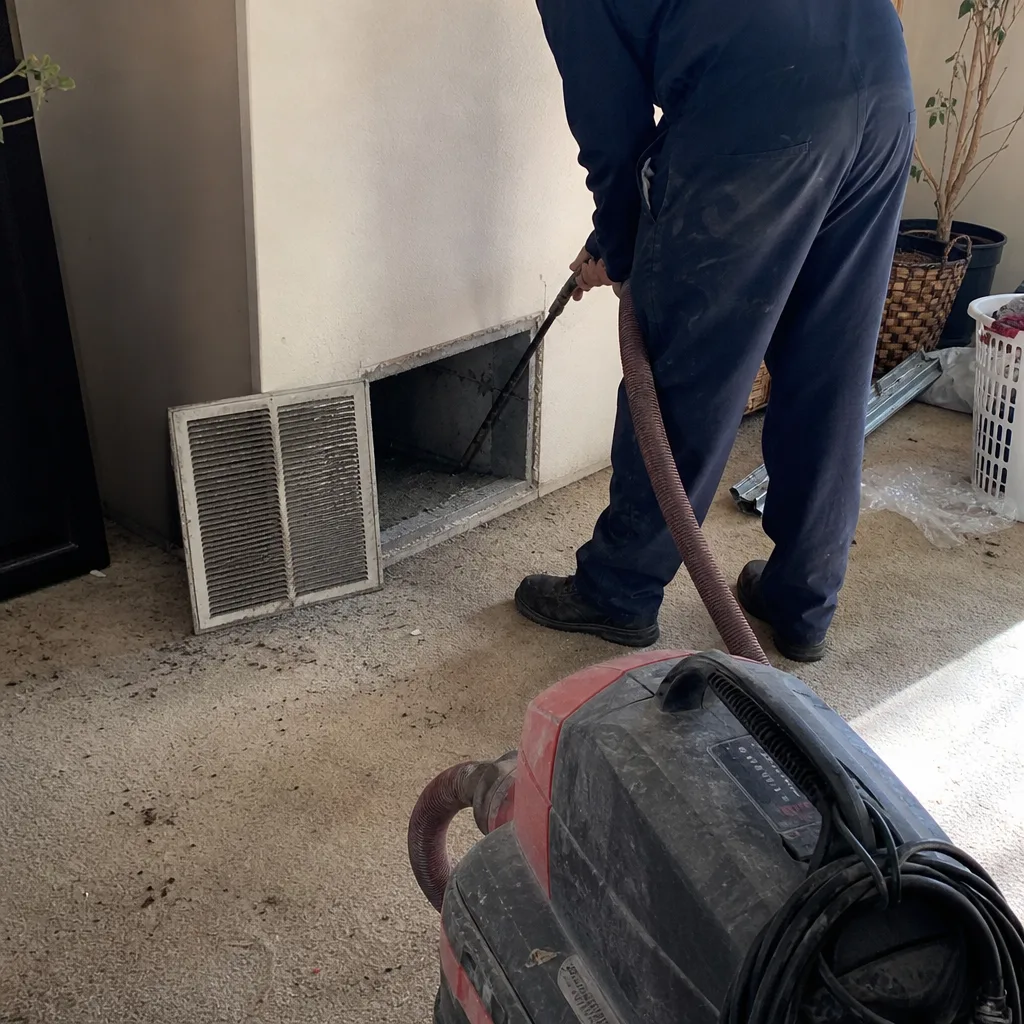 Before
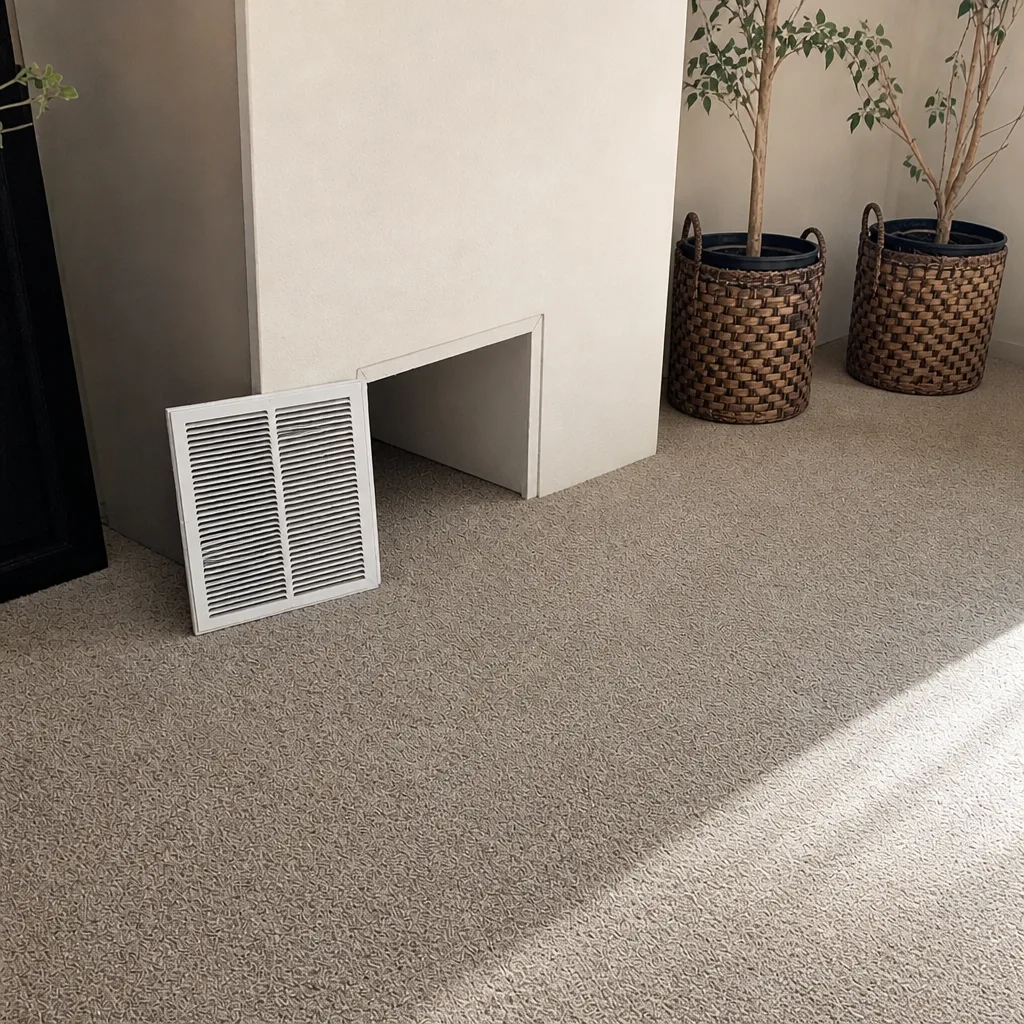 After
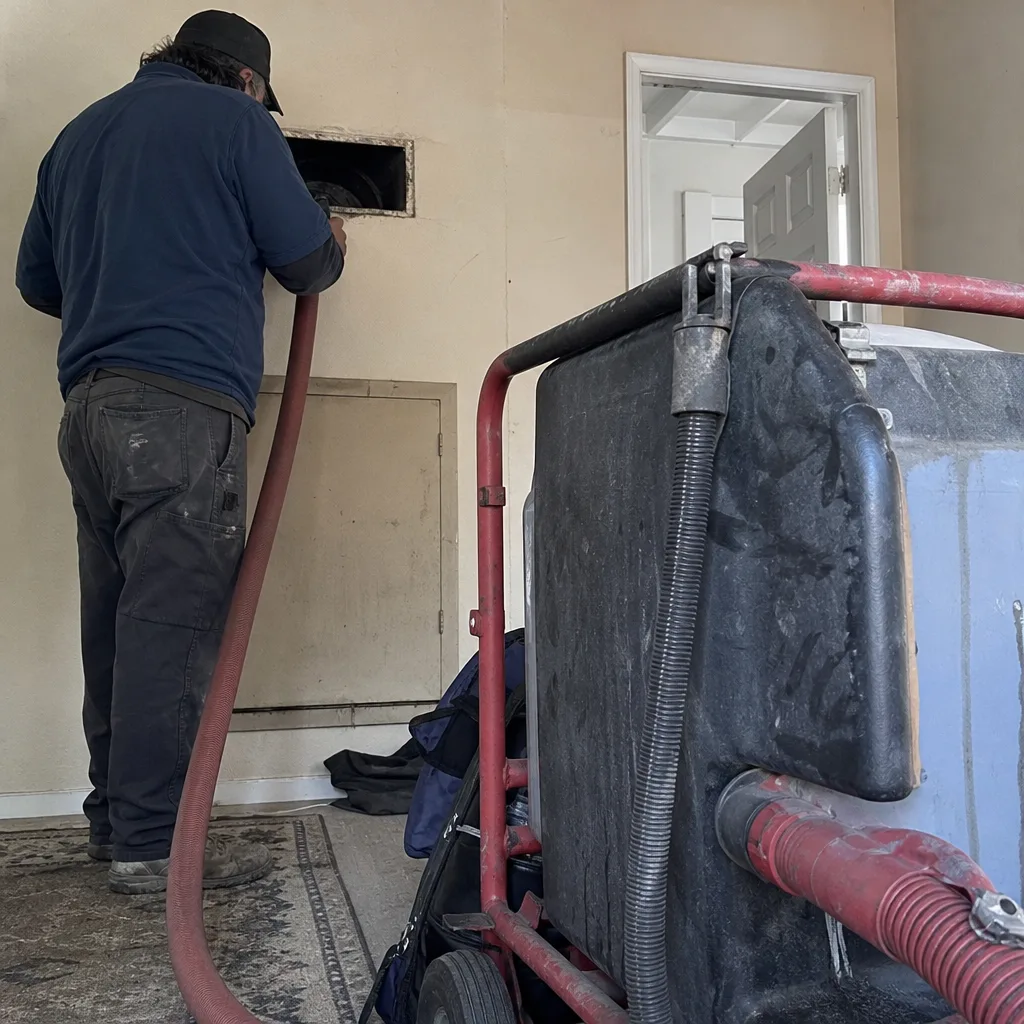 Before
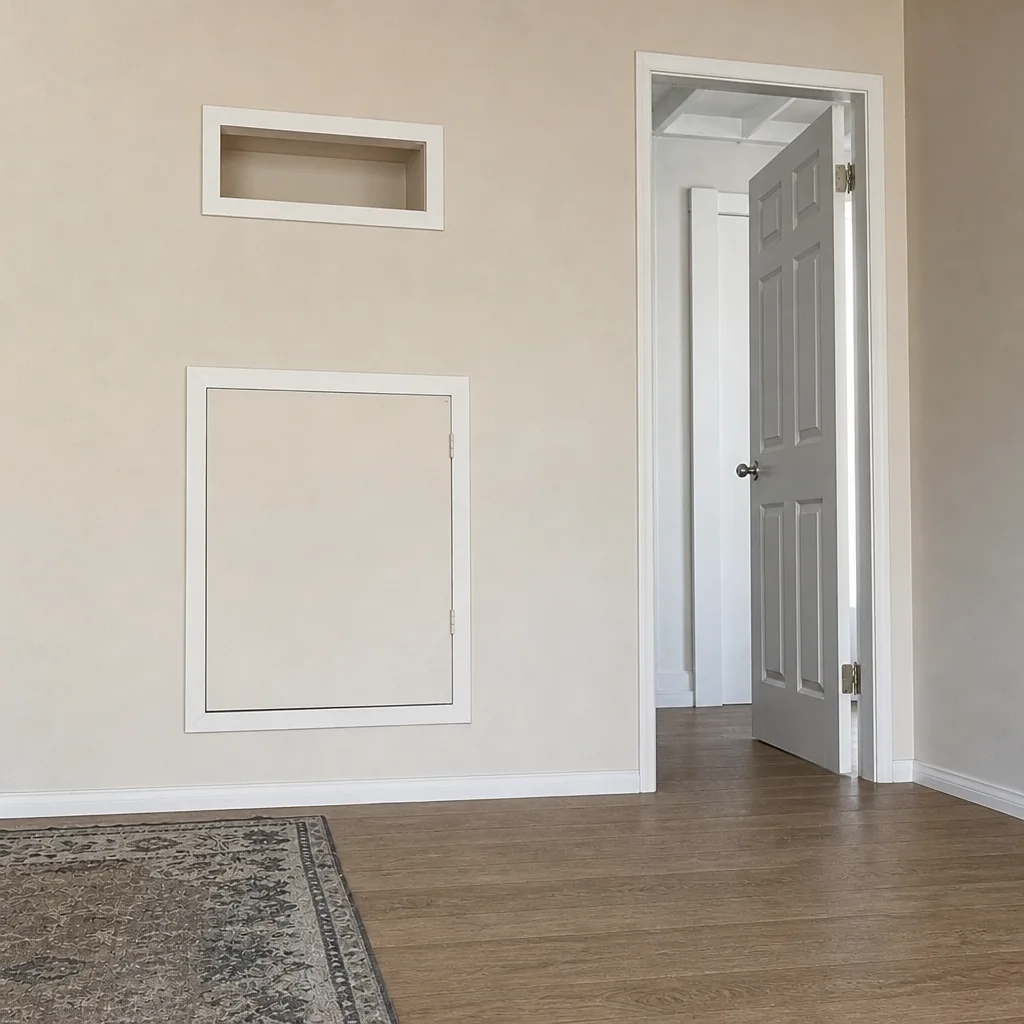 After
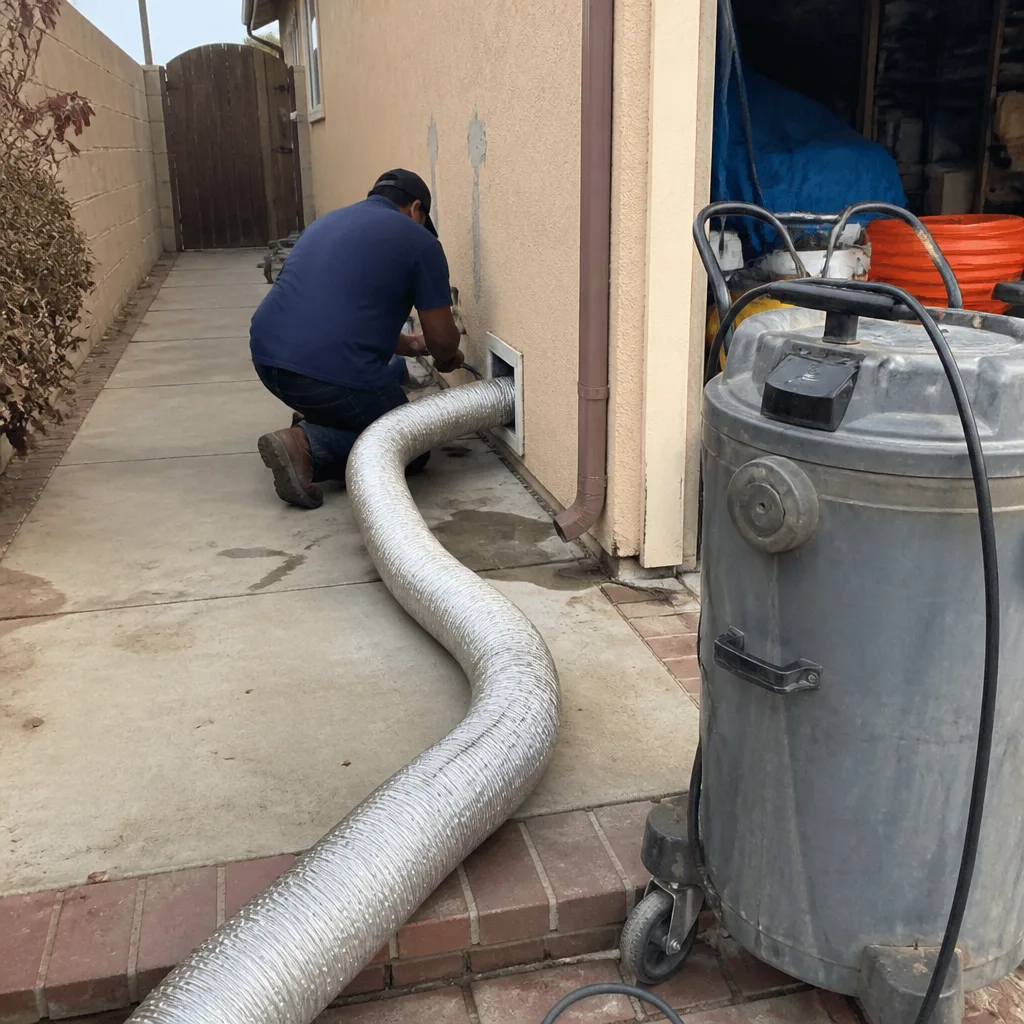 Before
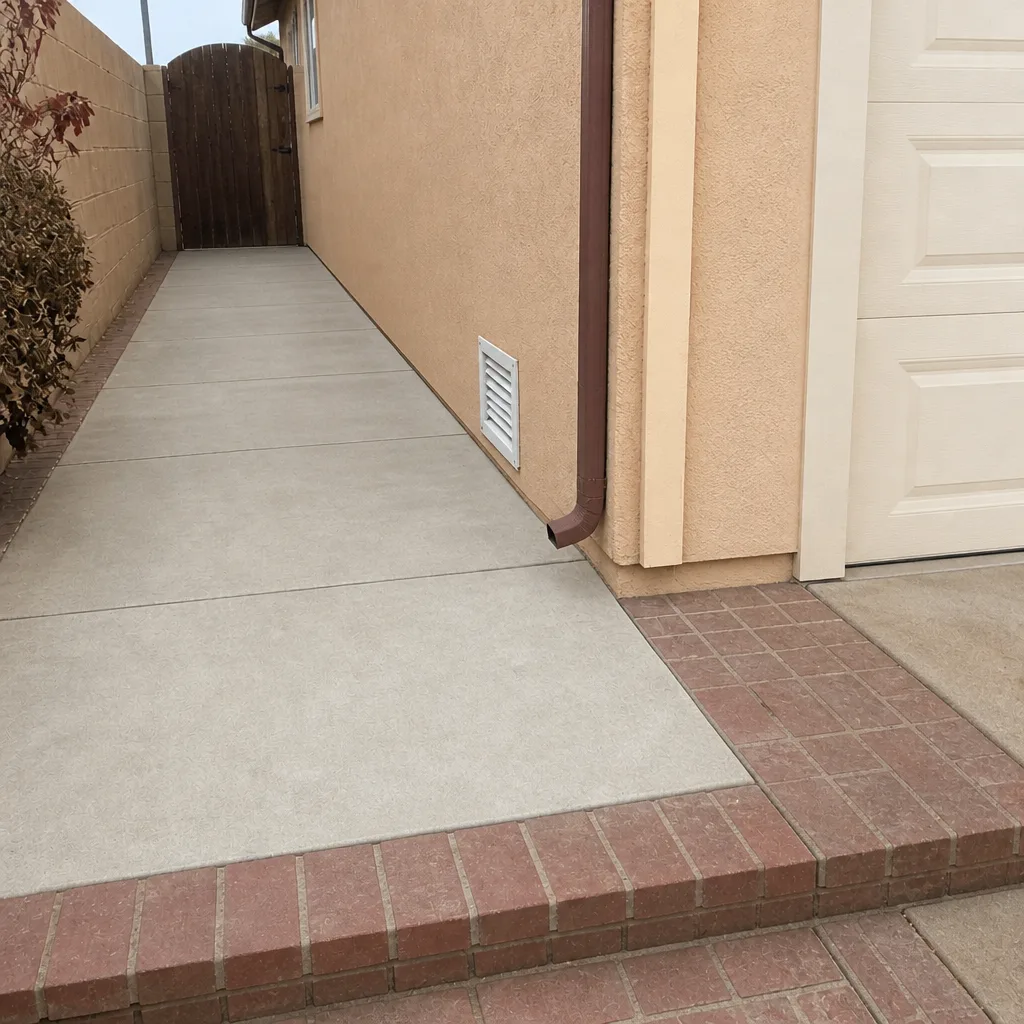 After
When to Call a Professional
Call a professional when you see inside the system, not just the grille: visible mold at the register or in the air handler, a musty smell that starts when the fan runs, a filter that darkens in weeks, or pests living inside the duct. Call also when your symptoms track to the HVAC cycle (allergy flare-ups indoors that improve when you leave), when your energy bills rise for no other explained reason, or when the house has had major renovation dust. And call if a DIY attempt left the system sounding different or made the dust worse – that’s a sign of liner or flex duct damage. Buena Park Air Duct Cleaning Pros offers free estimates in Buena Park – call (855) 658-5164. We answer 24/7. Fast dispatch from 7am to 7pm, Sunday through Friday.
Frequently Asked Questions
You can maintain your own ducts at the surface – washing grilles, replacing filters, wiping an accessible plenum – but you cannot perform source-removal cleaning with consumer equipment, because a shop vacuum generates a fraction of the negative pressure the job requires. For anything requiring the interior of the run, the air handler, or contaminated material with biological growth, a professional system with containment is the right tool. Call (855) 658-5164 for an exact quote – estimates are free.
Duct cleaning in Buena Park is typically priced per whole system, not per vent. A flat, written estimate is the standard for any legitimate quote. If you see a very low advertised base number, ask what it covers and whether it will be upcharged once a technician is on site. Call (855) 658-5164 for an exact quote – estimates are free, and the written estimate sets the final price.
Because they’re usually quotes for a partial job, or base prices designed to be upcharged once work begins. A low coupon number that expands on site is the standard bait-and-switch pattern in this trade. A flat, whole-system estimate agreed before work starts is the honest model. Call (855) 658-5164 for an exact quote – estimates are free.
Before-and-after photos of your own ducts. A professional job is verifiable, and the photos should show the interior of the runs, not just the grilles. If a company can’t produce that, the work is hard to confirm. Call (855) 658-5164 for an exact quote – estimates are free.
Most Buena Park homes land in a two-to-three-year interval for source-removal cleaning, with surface maintenance in between. Homes with pets, occupants with allergies, or older duct systems should lean toward the shorter end. It isn’t a fixed rule – your system and household decide the schedule. Call (855) 658-5164 for an exact quote – estimates are free.
Yes, when the ducts are contaminated or smell musty. A buyer’s inspector will flag visible mold or heavy dust, and a clean, sealed system removes a negotiating point. If the ducts are visibly clean and the system is well sealed, spending on cleaning mostly doesn’t change the outcome. Call (855) 658-5164 for an exact quote – estimates are free.
The Bottom Line
DIY duct cleaning is real maintenance at the surface, and it doesn’t reach the system. The capability gap isn’t technique – it’s equipment physics, and no shop vacuum closes it. If your ducts look dirty at the grille, wash them. If your ducts are dirty inside the run, the air handler is dusty, there’s a musty smell, or your airflow is uneven, that’s a professional job with professional equipment and proper containment. For Buena Park homes, the useful habit is doing the surface work yourself and knowing the interval for a full-system cleaning and sealing. That’s the honest framework, and it holds up whether you call us or not. For air duct cleaning in Buena Park, we’re glad to walk you through what your own system actually needs.
Written by the team at Buena Park Air Duct Cleaning Pros.
Have questions about your own system? Call (855) 658-5164 for a free estimate. We answer 24/7. Fast dispatch from 7am to 7pm, Sunday through Friday, and we’re closed on Saturday. For related system work, you can also read up on air duct cleaning, dryer vent cleaning, and HVAC cleaning, or start with Buena Park Air Duct Cleaning Pros.