
Last updated November 25, 2026
 Whole-home duct cleaning
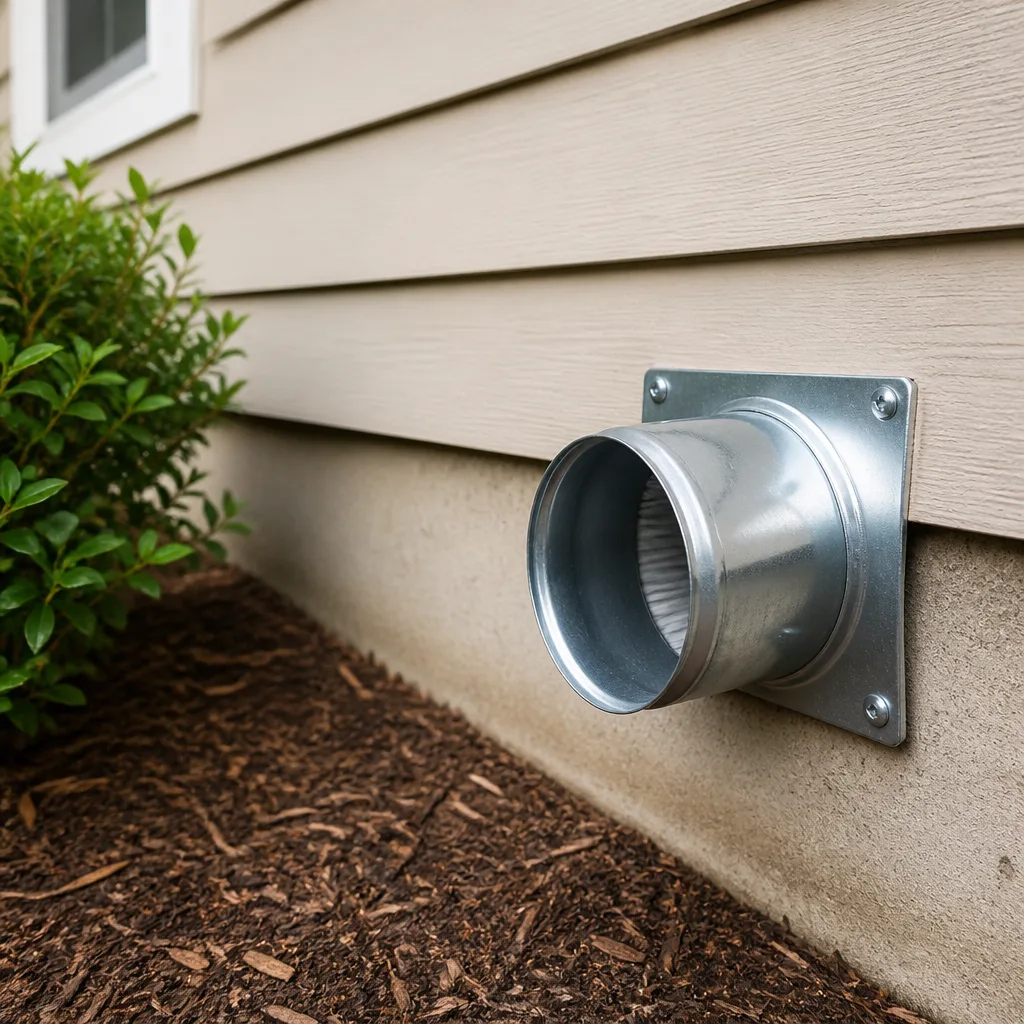 Dryer vent cleaning
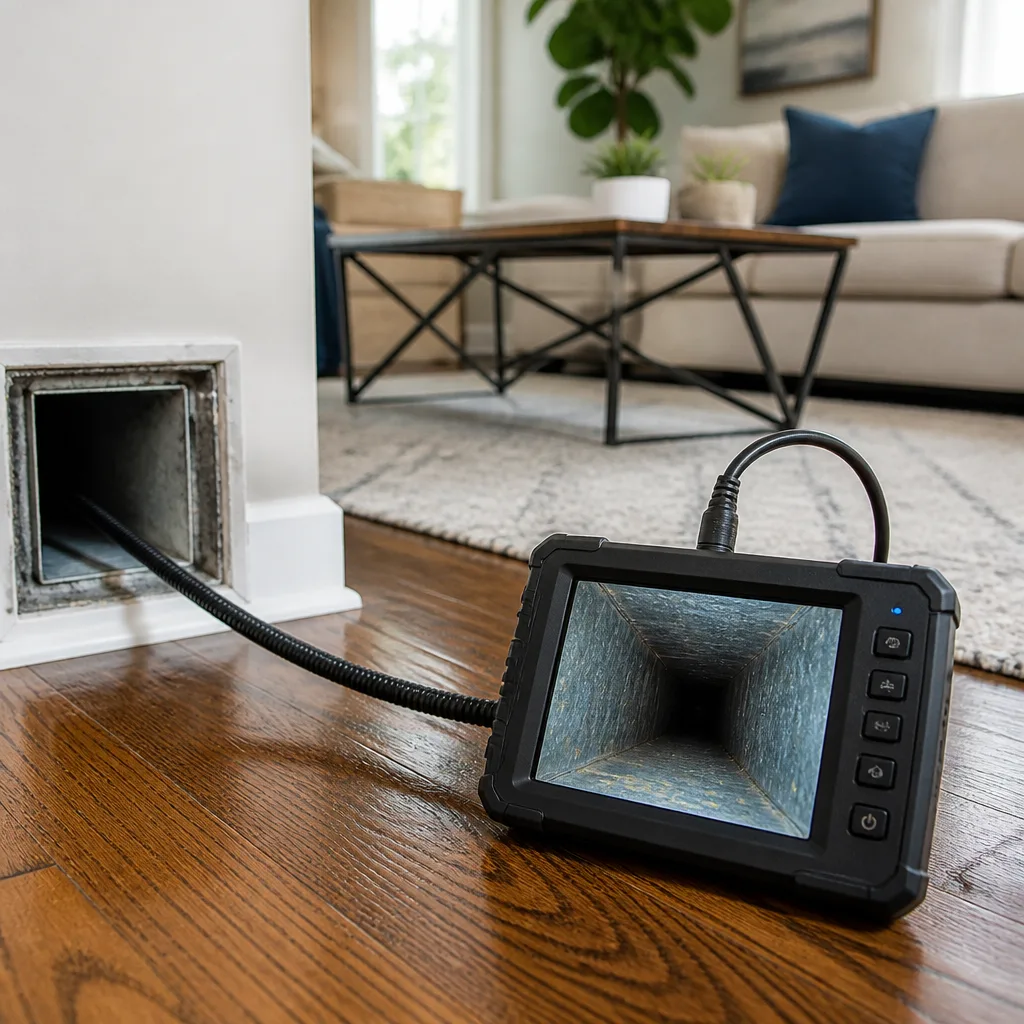 Camera inspection
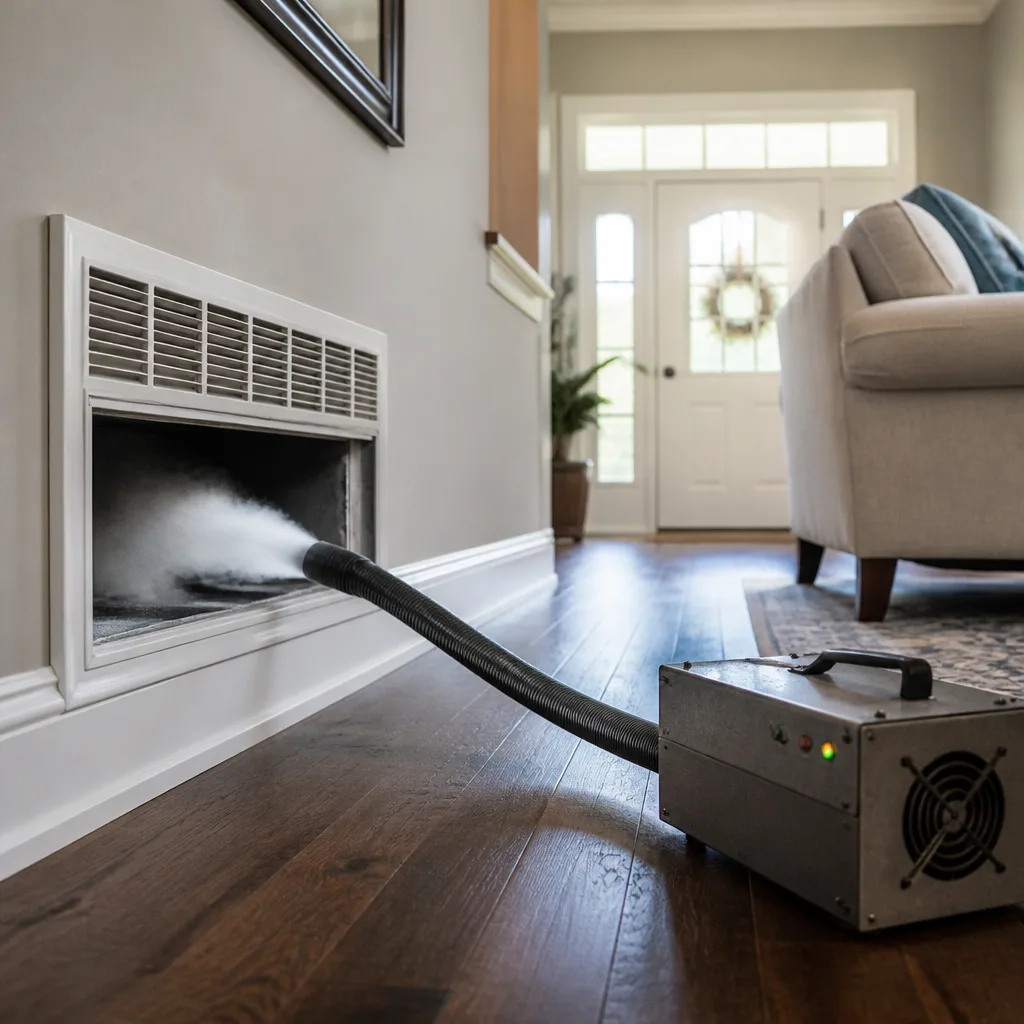 Sanitizing & deodorizing
Whole-system duct and dryer vent check with before-and-after photos - you see exactly what came out of your vents
That "$99 whole-house special" is a bait ad - the real number appears once they are in your hallway, or the "clean" is a shop-vac at the register. We photograph the inside of your ducts before and after instead.
Air Duct Cleaning Maintenance Checklist for Buena Park Homeowners
Changing your filter on schedule while ignoring the static buildup on your return grille is like changing your car’s oil but never cleaning the air intake. The filter is doing its job. The system upstream of it isn’t. Most homeowners in Buena Park treat duct care as a single annual errand, but the better approach is a diagnostic calendar: small monthly checks that catch early warning signs, plus annual professional service that resets the baseline. This guide walks through exactly what to check, when to check it, why each interval exists, and how to log it all so nothing slips. It’s built for people who want to understand their system, not just hand it off.
Quick Answer
Homeowners in Buena Park should check filters monthly, inspect supply and return registers monthly for dust type and streaking, and book professional whole-system cleaning roughly once a year, ideally ahead of the Santa Ana wind season. The right interval depends on pets, allergies, renovation work, and how much the system runs, but a monthly-owner plus annual-professional rhythm catches most problems before they turn into repair bills. A proper professional visit cleans, seals, and sanitizes from the duct to the air handler, and it doesn’t rely on a shop vac.
Styles & brands we work with
- Whole-home duct cleaning
- Dryer vent cleaning
- Camera inspection
- Sanitizing & deodorizing
Table of Contents
- Monthly tasks you can do yourself
- Annual tasks for a professional
- Reading your supply and return registers
- Buena Park seasonal triggers: Santa Ana winds and June Gloom
- Choosing the right MERV rating for your household
- How to log maintenance like a service record
- Common mistakes to avoid
- When to call a professional
Monthly tasks you can do yourself
Monthly tasks aren’t about deep cleaning. They’re about awareness. In our experience, the homeowners who avoid expensive surprises are the ones who notice small changes early: a filter that looks darker than last month, a register that’s suddenly streaking, a room that feels stuffier than it should. Buena Park homes run their HVAC systems a lot of the year, so the baseline changes fast. Here’s what to do each month:
- Change or check the filter. For a standard 1-inch filter, change it every 30 days if you have pets or allergies, and check it at minimum. If it’s visibly gray past the halfway point, replace it. For thicker media filters (4 to 5 inches), check monthly and replace per the manufacturer’s interval, which is longer.
- Look at every supply register. Run a white cloth or paper towel along the louvers. Fine gray dust means normal accumulation. Black streaks or sticky patches mean something is wrong upstream (more on that below).
- Check every return grille. The return side pulls air back to the air handler, so it collects more fine particulate than people expect. Vacuum the grille face and note how quickly it re-soils.
- Listen at startup. Turn the system on and stand in a quiet room. Whistling, thumping, or a change in pitch can indicate loose duct connections or blockages.
- Feel the airflow at each room. Hold your hand at each supply for a few seconds. If one room is consistently weak, that’s the one to log and watch.
- Smell the air. A faint musty smell from a register, especially after cooler mornings, is worth writing down.
- Log it all in one place. A simple notebook or note on your phone, dated.
None of this takes more than 15 minutes. The point isn’t cleanliness; it’s picking up patterns. A filter that goes gray in two weeks instead of four is a signal. That’s the diagnostic calendar working.
Annual tasks for a professional
Annual professional service is where the system gets reset: cleaned, sealed where needed, and sanitized. For most Buena Park homes, once a year is the right cadence, but that shifts if you have pets, a lot of foot traffic, recent remodeling, or someone in the house with allergies or asthma. In those cases, a professional visit every six to nine months is often the smarter call.
What a proper annual visit should cover:
- Full cleaning of supply ducts and return ducts, not just the visible runs. A shop vac at the register does nothing for the dust that has moved downstream.
- Cleaning of the air handler and accessible HVAC components. The system is one pathway; cleaning only half of it leaves the other half contaminating the clean half the first time the fan runs.
- Inspection of every accessible duct joint and connection. Loose joints leak conditioned air into walls and attics, which is wasted money and can pull dust into the system.
- Duct repair and sealing where gaps or disconnections are found. This is where a real maintenance visit differs from a surface wipe-down.
- Sanitizing of the duct interior and air handler components after cleaning.
- Dryer vent cleaning, done in the same visit if the dryer is on-site, since that’s a separate safety item most pure air-duct competitors skip.
We operate Rotobrush and Nikro systems on these jobs: the same professional-grade equipment specified in commercial and restoration work, not consumer-grade vacuums. Abatement Technologies containment gear keeps dust from migrating into living spaces during the cleaning, and Guardsman treatment protocols protect surfaces before and after. That’s the standard a proper annual visit should hit. If any contractor is planning to show up with a shop vac and a brush, that’s not the maintenance task this checklist describes.
Reading your supply and return registers
Your registers are the diagnostic window into the whole system. The dust pattern tells you what’s happening upstream, in the ducts, and around the air handler. That’s why the register check appears monthly rather than just at the annual service. Here’s how to read what you see:
Fine gray dust, evenly across the louvers. This is normal accumulation. Air carries particulate; some of it settles on the grille. Vacuum it off and move on. No alarm.
Black streaking or darker deposits concentrated at one edge or corner. Black streaking is a filtration bypass indicator: air is entering the system somewhere it shouldn’t, past the filter rather than through it. It can also signal biological growth if the streaking is paired with a musty smell or visible dark staining on nearby drywall. Either way, it’s worth a professional inspection rather than more vacuuming.
Uneven distribution across rooms. If one or two registers soil far faster than the rest, that branch of the duct system is either pulling more air (indicating an imbalance) or has a leak nearby drawing unfiltered air in.
Fuzz or lint-like accumulation. Common in homes with pets or heavy carpet traffic. Not an emergency, but a sign the filter is being taxed and might need a tighter schedule or a higher MERV.
Sticky or greasy film. Rare in a residential system; usually from a kitchen exhaust crossover or cooking smoke pulled into the return. Worth logging and mentioning at the next service.
None of these patterns require panic. They’re data. The purpose of the monthly register check is to catch transitions (from fine gray to black streaking, for example), which is where the value is.
Buena Park seasonal triggers: Santa Ana winds and June Gloom
Buena Park’s climate creates two distinct seasonal pressure points on duct systems, and each calls for an adjustment to the maintenance calendar.
Santa Ana wind events. When Santa Ana winds push through, particulate loads in the outdoor air spike sharply, and much of that finds its way into homes through open windows, door gaps, and any filter bypass. This is the season when filters soil faster, registers show more accumulation, and high-MERV media earns its keep. In the weeks before the Santa Ana season, it makes sense to change the filter, vacuum all registers, and if you’re due for professional duct cleaning, schedule it before the wind events rather than after. The system stays cleaner and the next filter lasts longer.
June Gloom humidity. The morning marine-layer humidity that settles over Buena Park through late spring and early summer raises the moisture content of air passing through the ductwork. Ducts in unconditioned attics and crawl spaces can hold enough ambient moisture during those weeks to support biological growth if there’s already a food source (dust) and a temperature window. That’s why the June Gloom period is the smart time for the annual sanitizing step. Cleaning removes the food source; sanitizing addresses what’s left. Together they close the window on mold risk before summer heat bakes it in.
Between the two, the practical rhythm looks like this:
- Late summer/early fall: pre-Santa Ana filter change and register clean.
- Late spring: pre-June Gloom professional cleaning and sanitizing if due.
- Monthly: register checks throughout the year to catch anomalies.
- After any Santa Ana event that had windows open: check filter and registers, replace if needed.
If you’re not sure where you sit on the schedule, the answer is usually to check the filter first and the registers second. That covers 80 percent of cases without a call.
Choosing the right MERV rating for your household
MERV (Minimum Efficiency Reporting Value) describes how well a filter captures particles. Higher MERV catches more, but it also restricts airflow. That trade-off is the whole game, and getting it wrong costs more than people realize: a filter so restrictive that the blower works harder shortens the life of the air handler and can pull ducts loose at the joints.
Here’s a working guide for Buena Park households:
- MERV 6-8: Fine for a standard home with no pets, no allergies, no recent renovation. Protects the equipment more than the people. Optimal airflow.
- MERV 8-11: The right zone for most homes with pets, mild allergies, or heavy foot traffic. Still accommodates standard residential blower airflow. This is the most common sweet spot in our experience.
- MERV 11-13: Appropriate when there’s a household member with allergies or asthma, or after a renovation when fine drywall dust is a concern. Check that your air handler is rated for this restriction before committing; not all are.
- MERV 13+: Usually commercial or specialized residential. Rarely necessary for a typical Buena Park home, and often restricts airflow beyond what a residential system can sustain with a standard 1-inch filter slot.
Two practical rules: thicker is better than higher-MERV in a thin slot. If your air handler accepts a 4-inch or 5-inch media filter, that depth reduces airflow restriction even at higher MERV. And always check the air handler’s rated MERV range before upgrading. If you’re not sure, ask before you buy. Honeywell and Aprilaire media filter cabinets are common upgrades for this reason: they hold a deeper filter, so you get higher filtration without choking airflow. These are the kinds of system improvements we can perform on the same visit as cleaning, so you’re not booking separate calls.
How to log maintenance like a service record
A maintenance log is the difference between “I think we cleaned that last year” and a documented handoff that any technician can read in 30 seconds. It’s also the single thing that helps a contractor pick up where the last one left off, whether you’re sticking with Buena Park Air Duct Cleaning Pros or using someone else entirely.
Format matters less than consistency. A notebook works. A note on your phone works. A shared spreadsheet works if you’re the property manager of a small building. Here’s what to capture:
- Date. Every entry.
- Action taken. Filter replaced, register vacuumed, air handler checked, ducts cleaned, dryer vent cleaned, duct sealing performed, sanitizing done.
- Filter spec. MERV rating and dimensions. This matters when you’re switching brands or upgrading later.
- Observation. Anything unusual at the time. Black streaking at the bedroom return. Weak airflow in the north room. Musty smell after wind events.
- Contractor notes. What the technician found, what was recommended, what was deferred. If sealing a joint was flagged as a “next time” item, log it so it doesn’t get lost.
- System baseline. The first professional cleaning entry should note the equipment used (Rotobrush, Nikro), any duct repairs done, and the sanitizing product. That sets the reference for future visits.
The value of a log compounds. In three years, a good log tells a new technician exactly what your system’s history is, what’s been tried, what’s failed, and where the weak spots are. It also tells you, honestly, whether annual service is actually happening or if it’s been two and a half years.
Common Mistakes to Avoid
- Relying on filter changes alone. The filter can’t compensate for dust that has already bypassed it and settled in the return duct, or for biological growth inside the air handler. Cleaning the filter is one task; cleaning the system is another. This is the single most common gap we see in Buena Park homes.
- Choosing the highest MERV available. More filtration isn’t automatically better. A filter too restrictive for your blower’s rated capacity stresses the motor and can loosen duct joints over time. Match MERV to your system, not to a spec sheet.
- Vacuuming registers and calling it duct cleaning. Register vacuuming is a monthly task. Duct cleaning is a whole-system job that requires professional equipment. They are not substitutes.
- Skipping the return side. Return ducts carry the same dust load as supplies but often get overlooked because they’re less visible. If your service only covers supplies, it’s incomplete.
- Ignoring duct leaks while paying for cleaning. If the ducts aren’t sealed, the next run of the system pulls new unfiltered air through the same compromised joints. A cleaning without sealing leaves you re-cleaning sooner than necessary. This is why duct repair and sealing should be part of the conversation, not a separate upsell.
- Skipping dryer vent cleaning. Dryer vents are one of the leading causes of residential fires, and they clog independently of the air duct system. Most air-duct-only contractors don’t offer the service, so it slips through the cracks.
- Not recording anything. Without a log, “annual” maintenance tends to become “when I remember.” Memory is unreliable. A note in your phone takes 30 seconds and pays back over years.
When to Call a Professional
Some of this checklist is genuinely DIY. Some of it isn’t. Stop and call when you see any of the following:
- Black streaking at multiple registers, especially if it’s paired with a musty smell
- Allergy or asthma symptoms that seem to correlate with the HVAC running
- A room whose airflow has dropped noticeably over a few weeks
- Visible dust blowing out of any register when the system starts
- Whistling, thumping, or vibration at the air handler
- It has been more than 12 months since a full professional cleaning, or there’s no record either way
- You’re moving in or moving out and have no system history
An annual professional visit handles most of this at once: full-system cleaning, inspection of joints and connections, duct repair and sealing where needed, sanitizing, and dryer vent cleaning on request. We use Rotobrush and Nikro equipment and cover the whole pathway from the duct to the air handler. Buena Park Air Duct Cleaning Pros offers free estimates in Buena Park. Call (855) 658-5164. We answer 24/7. Fast dispatch from 7am to 7pm, Sunday through Friday.
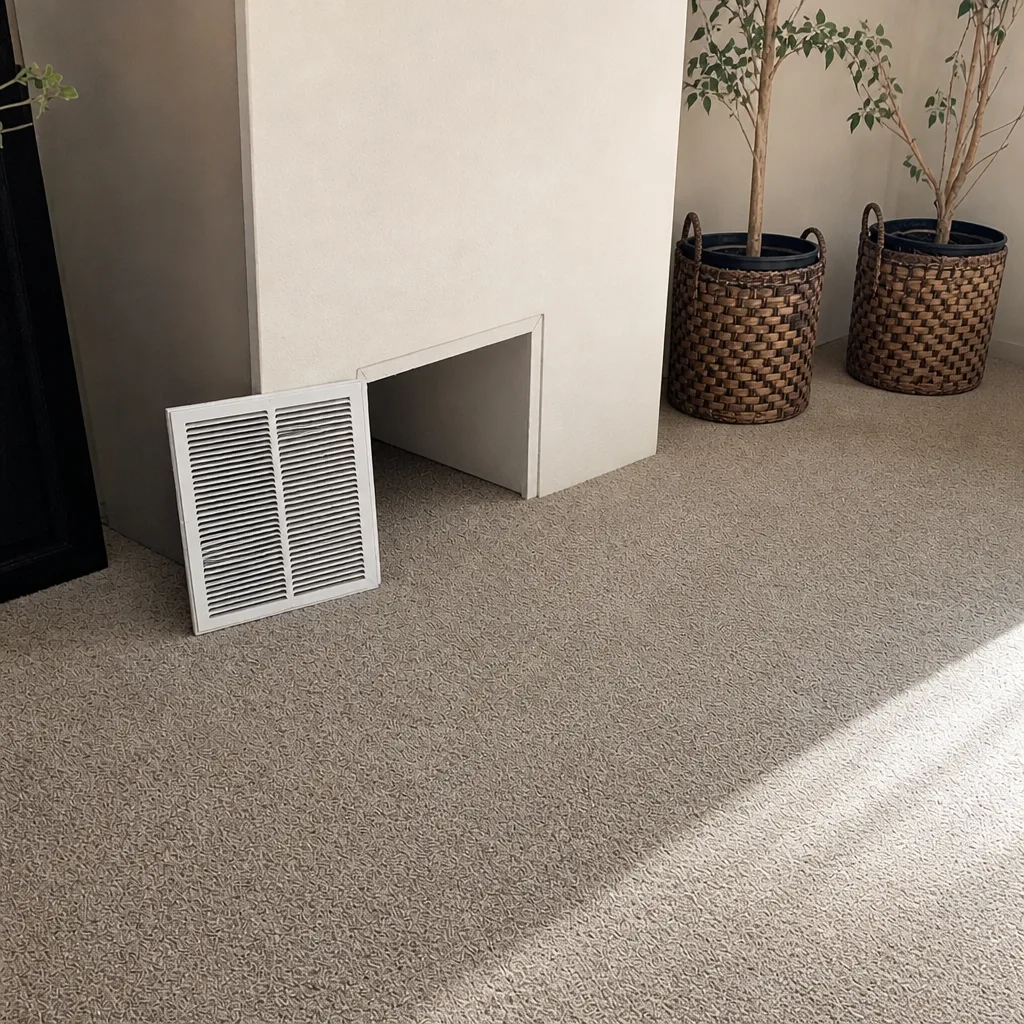
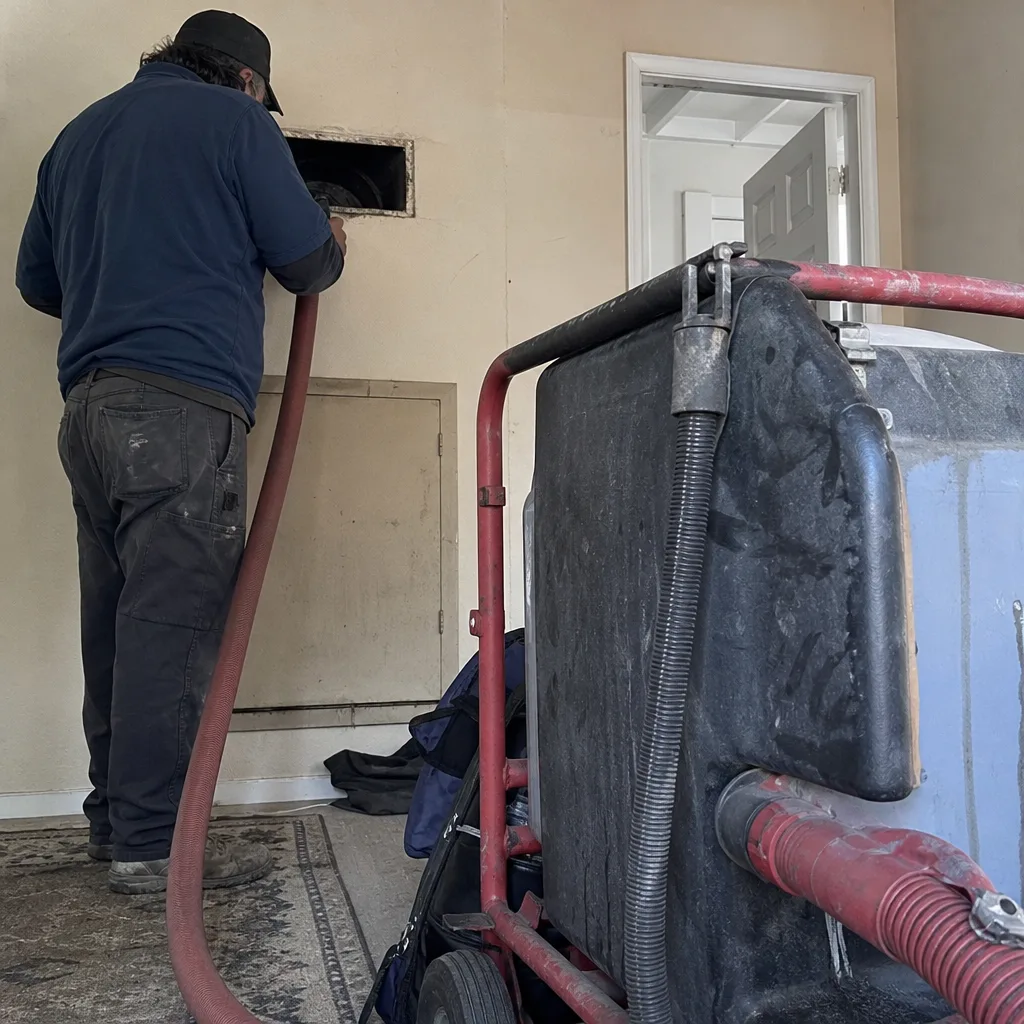
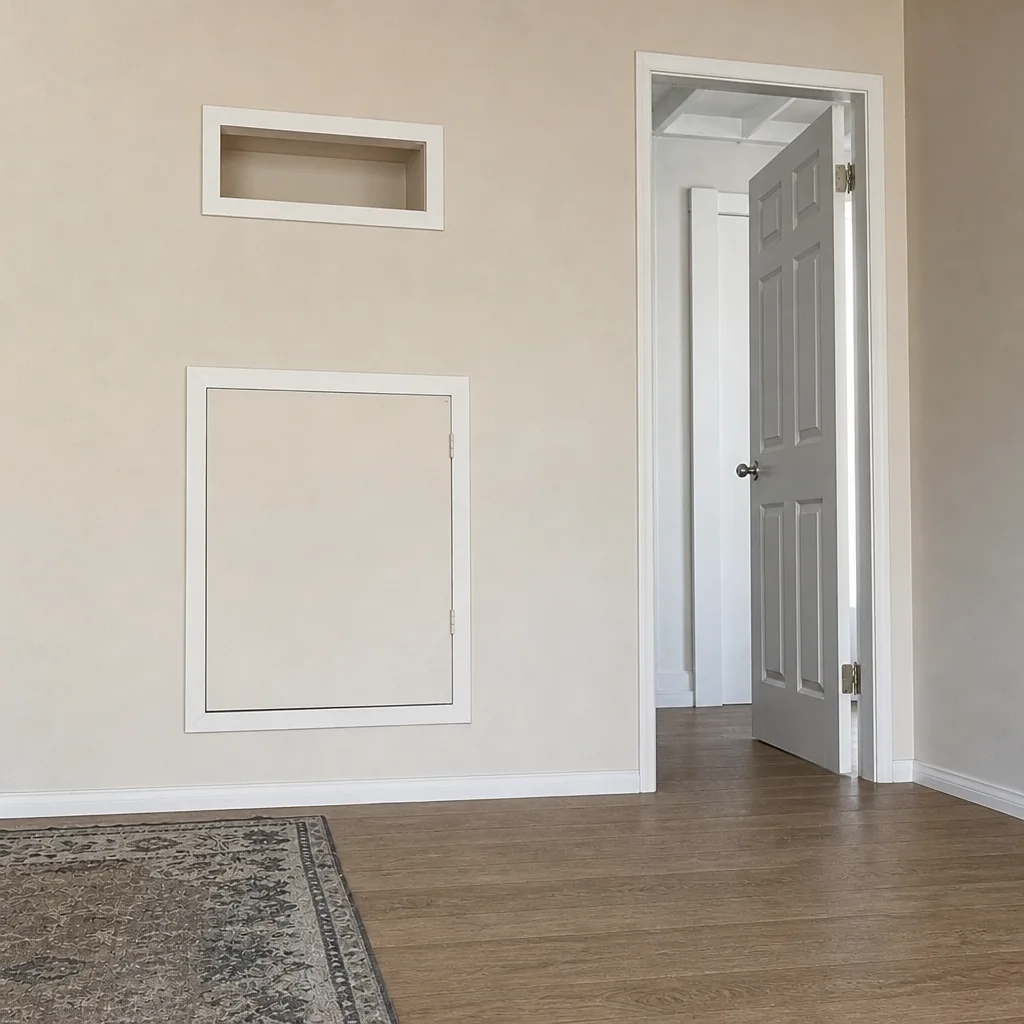
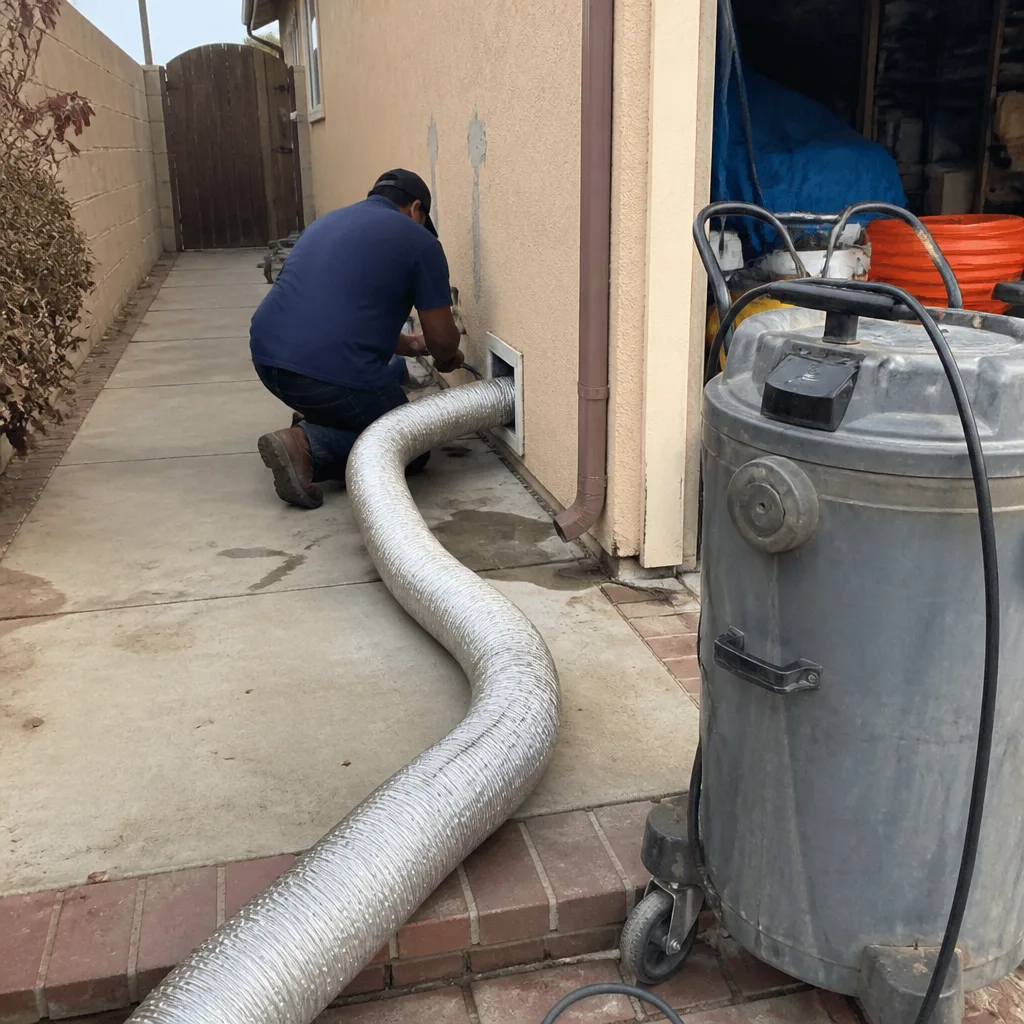
See the difference
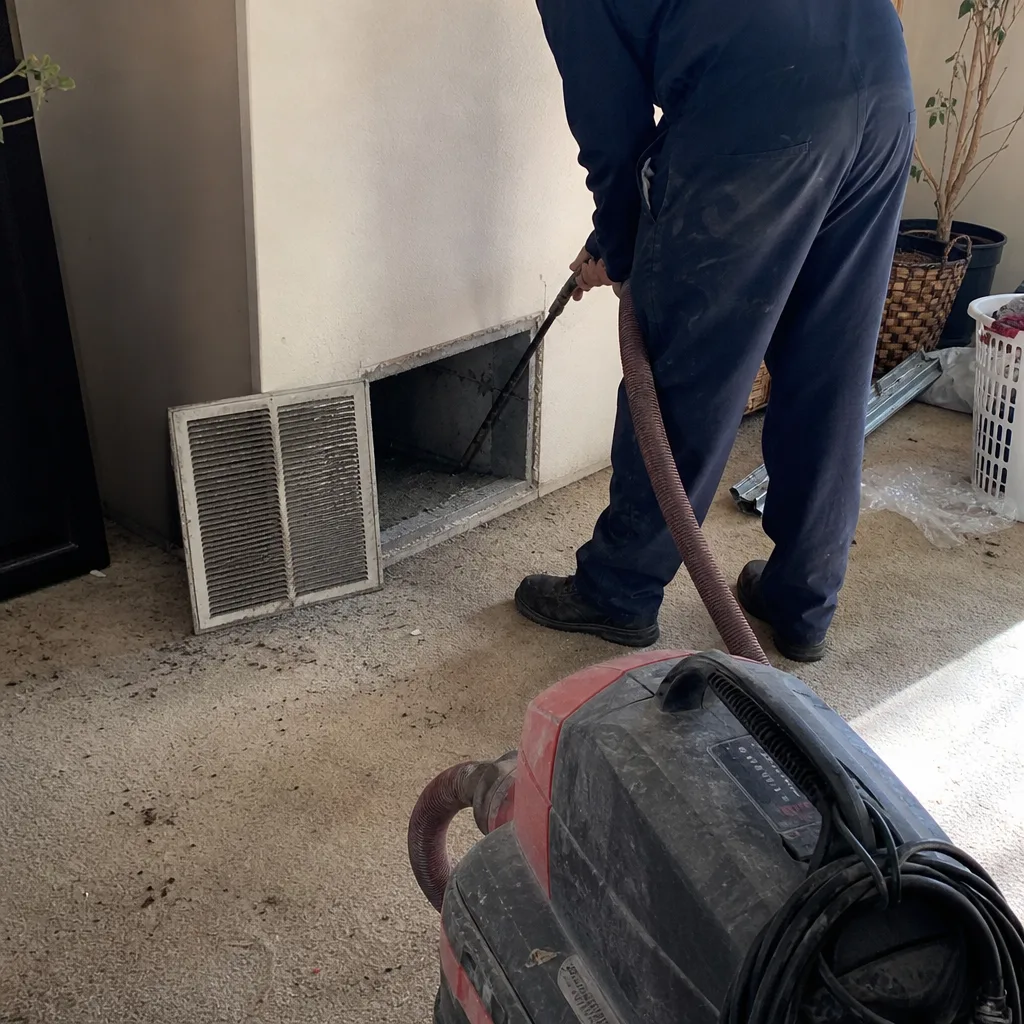 Before
 After
 Before
 After
 Before
 After
Frequently Asked Questions
Once every 12 months for most homes, and every 6 to 9 months for households with pets, allergies, asthma, recent renovation, or high foot traffic. The Buena Park climate adds two useful anchors: schedule professional cleaning before the Santa Ana wind season (so the system is clean heading into the particulate spikes) and before June Gloom (so sanitizing closes the humidity window on mold risk). Monthly register and filter checks fill the gap between service intervals.
Black streaking is usually a sign of filtration bypass, meaning air is entering the system past the filter rather than through it, or it can indicate biological growth inside the duct or air handler. It’s worth a professional inspection rather than more vacuuming, especially if it’s paired with a musty smell. Call (855) 658-5164 for an exact quote – estimates are free.
No, and it’s a case where the difference is meaningful. A shop vac at the register pulls surface dust from the visible grille, but it can’t reach the lengths of duct, the air handler compartment, or the return branch, and it can actually redistribute dust into parts of the system it wasn’t in before. Whole-system cleaning requires professional-grade equipment (Rotobrush, Nikro) and a containment setup using Abatement Technologies gear so dust doesn’t migrate into living spaces during the process.
MERV 8-11 for most homes, MERV 11-13 if there’s an allergy or asthma sufferer in the household or after a renovation, and MERV 6-8 for homes with no pets, no allergies, and no recent work. Higher MERV restricts airflow, so check that your air handler is rated for it before upgrading. Honeywell and Aprilaire media filter cabinets allow a deeper filter, which lets you run higher MERV without choking airflow. If you’re not sure, ask – this is the kind of question worth getting right before you buy. Call (855) 658-5164 for a free estimate.
Cleaning removes the dust and debris that biological growth feeds on. Sanitizing addresses what’s left in the duct walls and air handler surfaces, which matters more in humid windows like June Gloom when moisture content rises. The two steps together are the “clean, sealed, and sanitized” outcome; cleaning alone leaves the system open to regrowth during the next humid period. It’s also why duct sealing matters after cleaning: leaks re-introduce unfiltered air, which re-introduces the dust you just paid to remove.
Ask for before-and-after photos of your own ducts, not stock imagery. A proper visit involves containment and equipment setup that is visible and documented. In our experience, the homeowners who feel confident after a cleaning are the ones who saw evidence of the system before and after, not just a technician with a shop vac and a smile. Call (855) 658-5164 and ask about documentation as part of the estimate.
The Bottom Line
A maintenance checklist for Buena Park homes is really a diagnostic calendar: monthly filter and register checks that catch early transitions, annual professional cleaning that resets the system, and seasonal adjustments for Santa Ana wind events and June Gloom. Pair that with a written log that any technician can read, and the system stays clean, sealed, and sanitized between professional visits. The monthly tasks are 15 minutes. The annual visit is one call. Together they prevent the surprises that turn a maintenance schedule into a repair project. If the last professional cleaning is more than a year in the rearview, or if you’re seeing black streaking, weak airflow, or a musty smell, that’s the signal to book. Our technicians have up to 15 years of experience with whole-system cleaning using Rotobrush and Nikro equipment, and we can repair and seal what we find on the same visit rather than referring you elsewhere.
Ready to put a diagnosis behind your duct questions? Call (855) 658-5164 for a free estimate. We answer 24/7. Fast dispatch from 7am to 7pm, Sunday through Friday. Whether it’s air duct cleaning, dryer vent cleaning, HVAC cleaning, duct repair and sealing, or air quality upgrades using Honeywell and Aprilaire components, the visit covers the whole pathway from the duct to the air handler. Compare the maintenance rhythm to what your system actually needs, and start the log this month: the calendar is the difference between catching problems early and paying for them later. Learn more about Buena Park Air Duct Cleaning Pros and the five services we cover.
Written by the team at Buena Park Air Duct Cleaning Pros.